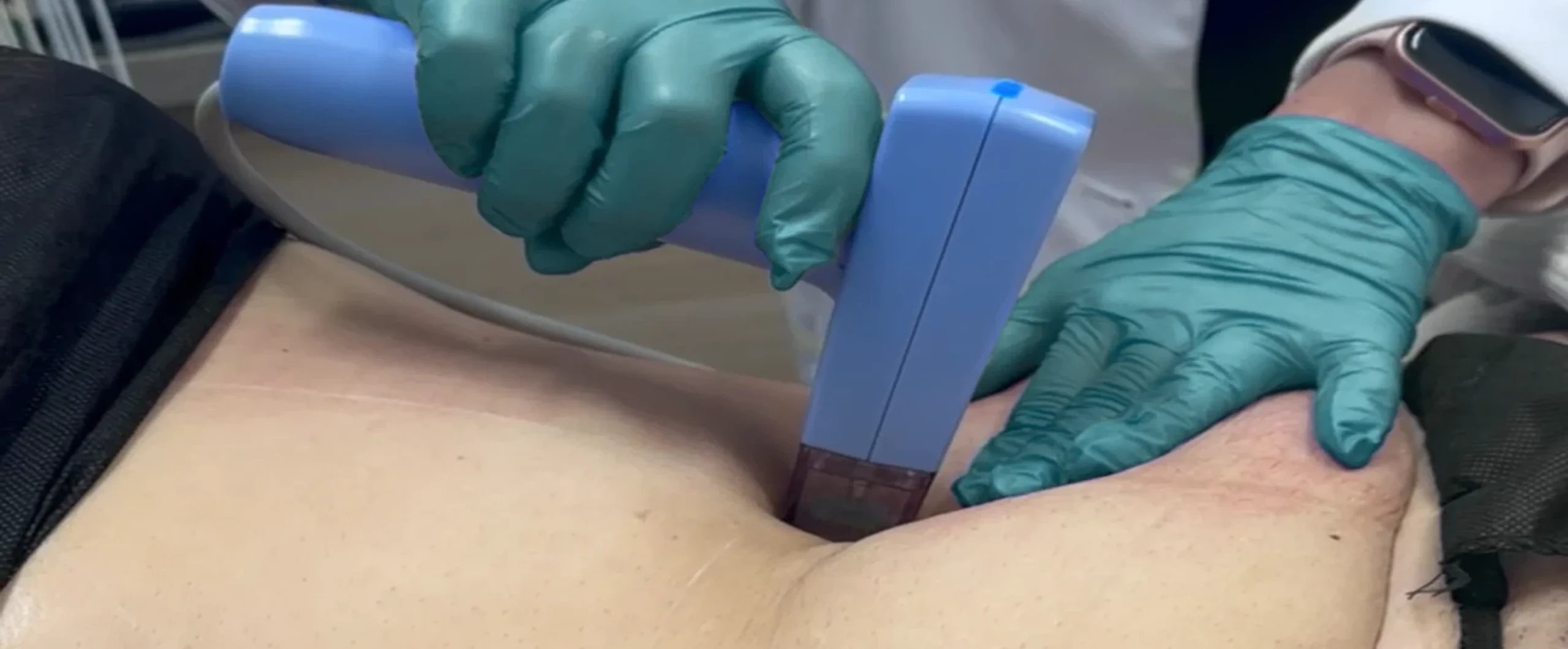

Loose skin after losing weight If you’ve recently lost a significant amount of weight, first of all, congratulations! That kind of commitment is no small feat. But many of our patients at Perfect B, come to us with a frustrating side effect they didn’t expect: loose skin. It’s especially common after rapid or major weight loss. We frequently see patients in their 30s to 60s, often after bariatric surgery or lifestyle transformations, who feel proud of their results but discouraged by sagging skin that doesn’t reflect how hard they’ve worked.
Understanding the Problem
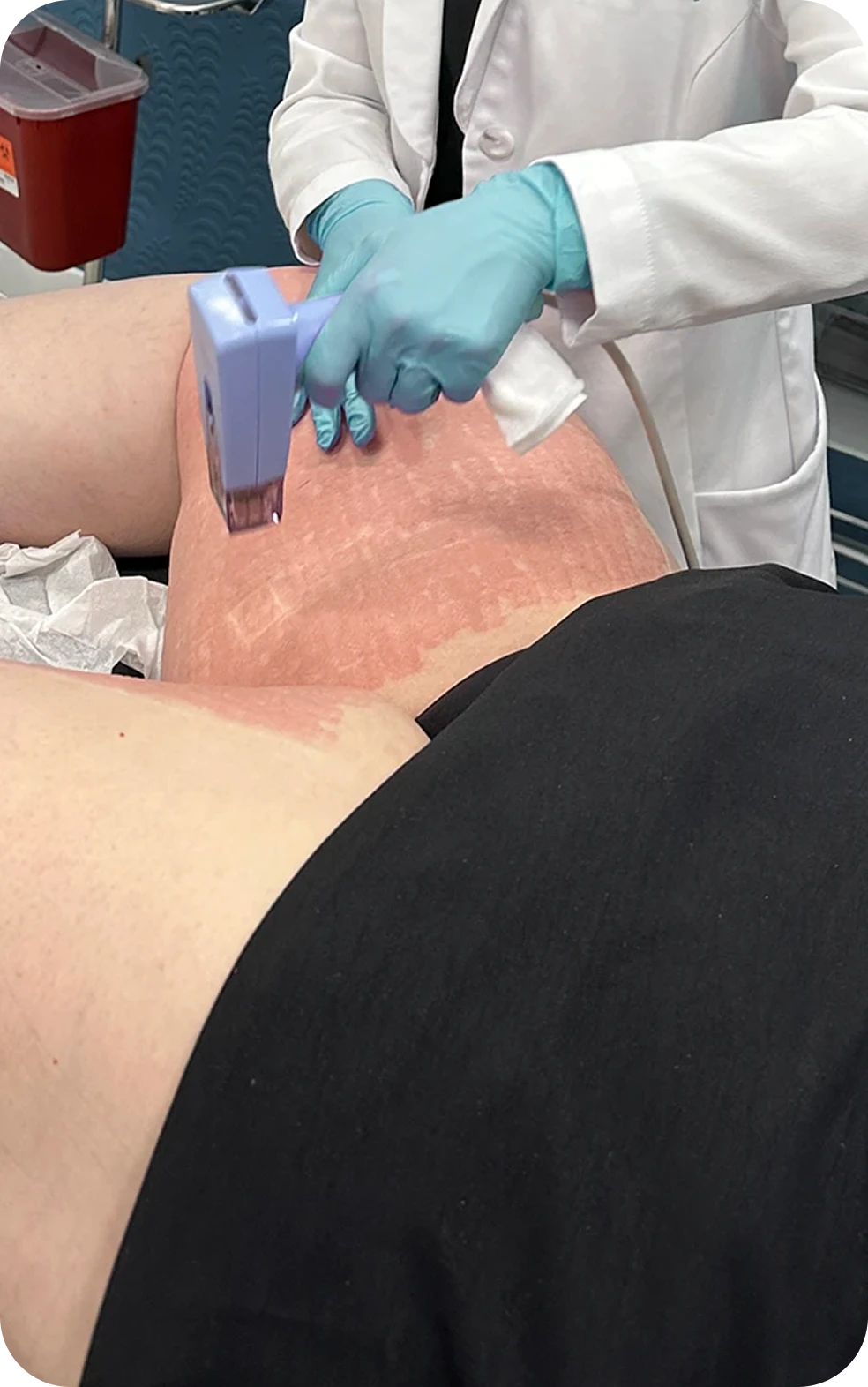
We always explain that loose skin isn’t just about the weight itself, it’s a complex mix of factors like age, genetics, and how losing weight too quickly can affect skin recovery. Younger skin with strong collagen tends to bounce back better, while skin that’s been stretched for years or subjected to sun damage may not be as forgiving. Our goal is to help patients understand how skin elasticity works and how certain steps, like staying hydrated, building muscle, and avoiding crash diets, can help support the skin during their journey. Prevention starts early, and education plays a big role.
What is the problem? : Excess skin that hangs or wrinkles after rapid or major weight loss.
How does it affect you?: Rubbing, rashes, clothing fit issues, and confidence dips.
Why does it occur?: Age, genetics, sun damage, and the speed of weight loss all affect collagen rebound.
Why address it?: Tightening skin completes your transformation, protects long‑term skin health, and lets muscle tone show.
Our consultations cover hydration, nutrition, and muscle‑building tips that support elasticity. Prevention starts early, and education drives results.
Why does flaccidity or wrinkles appear?
Even after achieving major weight loss, many patients are surprised to find their skin hasn’t caught up with their new shape. Loose or sagging skin can persist despite healthy habits, and understanding why it happens is the first step toward treating it effectively. Several internal and external factors influence skin firmness over time, especially after the body has undergone major changes. Let’s explore the most common reasons sagging skin returns, particularly for those considering skin tightening for stomach and other targeted areas.
Natural aging and collagen loss. Collagen declines by about one percent each year after age twenty‑five, so older skin snaps back less.
Unprotected sun exposure. UV damages elastin, making post‑weight‑loss skin looser and rougher.
Stress, diet, and hormonal factors. Cortisol spikes and crash diets slow collagen repair.
Repetitive movement. Constant bending at the waist can deepen creases, especially for those seeking how to tighten loose skin on the stomach safely and effectively solutions.
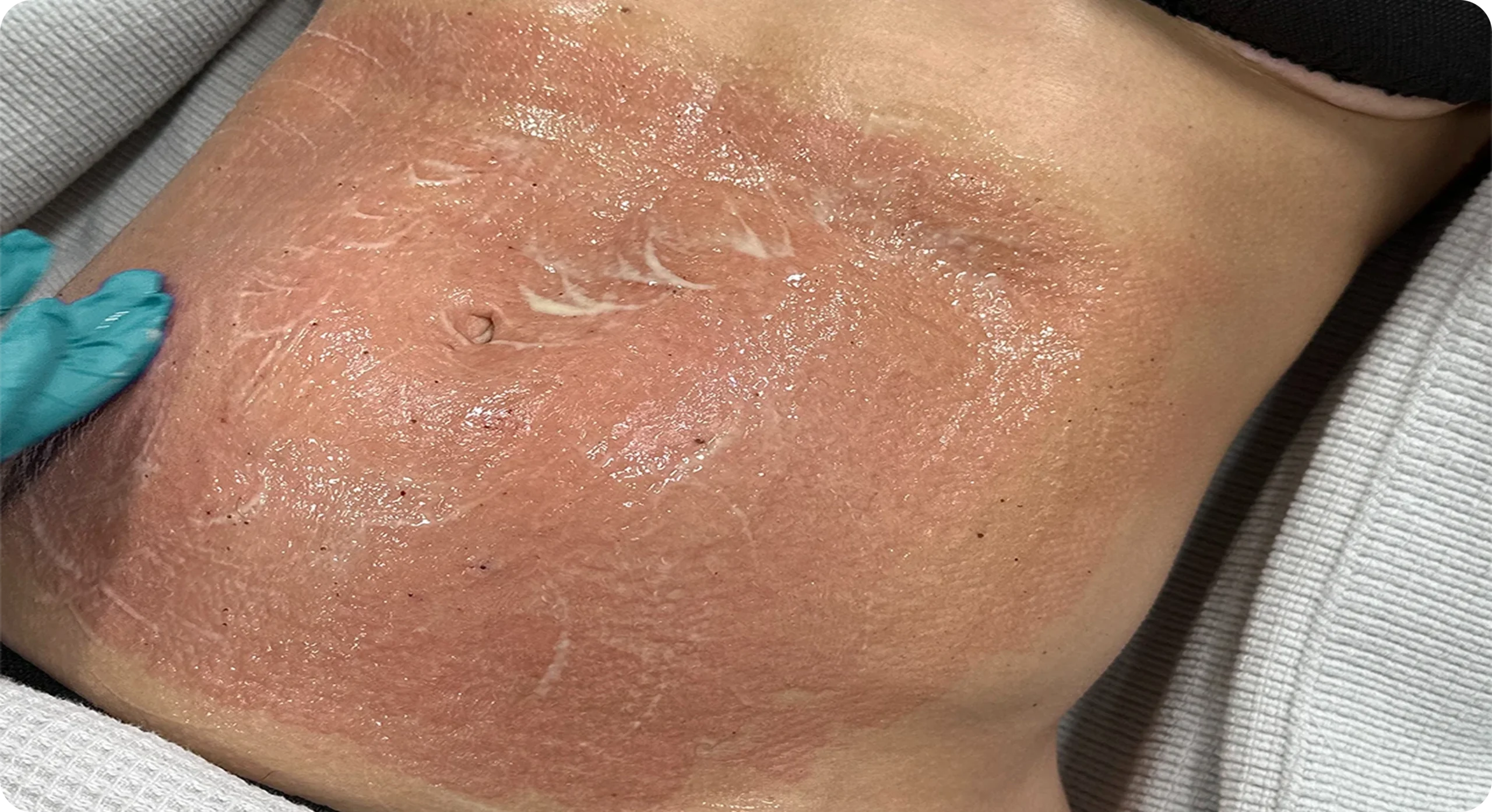
Treatments available
Skin tightening RF:
Radiofrequency heats deep dermis to contract collagen and build new fibers. Ideal for arms, thighs, and non-surgical stomach tightening clients.
Neurotoxins:
Small doses in the jaw or neck soften cords that exaggerate sagging.
Plasma Gel bio‑stimulator:
Natural fibrin matrix adds subtle volume while triggering collagen growth.
Referral for body lift surgery:
For severe laxity after bariatric procedures.
Microneedling plus RF:
Combines needles with energy for extra lift. ➔ Discover how SkinPen microneedling works to improve skin texture.
What Results Can I Expect and How Long Will They Take?
When it comes to treating loose skin after losing weight, results are not instant, but they are achievable with the right approach. Each treatment works differently and follows its own timeline. Understanding how long it takes to see visible changes, how many sessions are typically needed, and how long those improvements last can help you set realistic expectations. Here’s what you can expect from our most effective non-surgical treatments.
Skin tightening RF. Early firmness in four weeks, peak lift at three months, results last up to one year with maintenance.
Microneedling plus RF. Texture improves in two weeks. Best lift after a three‑session series.
Plasma Gel. Subtle plumping shows in days and continues to improve for three months.
Recommended schedule: three to six sessions, one month apart. Annual touch‑ups keep skin firm. Individual outcomes vary by age, lifestyle, and genetics.
In some cases, especially around the jaw or neck, small-dose neurotoxin treatments can complement energy based methods by relaxing tight muscle bands.
Who is it ideal for Loose Skin After Losing Weight Treatments?
Preventive: You lost under thirty pounds, see mild laxity, and want to stay ahead of aging.
Corrective: You lost forty pounds or more and have visible drape on the abdomen, arms, or thighs.
Maintenance: You completed a lift or prior tightening series and need periodic boosters.
We take the time to evaluate your skin condition, goals, and lifestyle to create a treatment plan that feels right for you and delivers real results. ➔ Learn how non-surgical skin tightening treatments help after weight loss.
Frequently Asked Questions
How to avoid loose skin after weight loss?:
The truth is, skin elasticity depends on a few things: age, genetics, how fast the weight was lost, and how much weight was lost. When weight drops quickly (like after extreme dieting or bariatric surgery) your skin doesn’t always have time to catch up. To help minimize sagging during your journey, we always recommend:
Staying hydrated.
Strength training to build muscle under the skin.
Supporting collagen with a nutrient-rich diet and supplements like collagen peptides or vitamin C.
And if you’re already seeing mild laxity? Starting non-invasive skin tightening treatments early really helps.
Loose skin when losing weight, what causes it?:
When your body stores fat for a long time, that fat stretches the skin out. Once that fat shrinks, the skin may not snap back right away, especially if collagen and elastin fibers are weakened (which naturally happens with age or sun exposure). That’s why younger clients or those with gradual weight loss often see less loose skin than someone who loses weight quickly in their 40s or 50s.
Face lifting price: What factors affect it?:
Several things impact cost:
Treatment type (RF, ultrasound, threads, microneedling RF, etc.).
Area being treated (full face vs. jawline only).
Number of sessions needed for visible results.
Technology used FDA-cleared devices with real clinical backing tend to cost more, but they’re also safer and more effective.
Expertise of the provider this really matters. Skin tightening requires precision and understanding of anatomy..
Skin tightening RF: How does RF skin tightening actually work?:
RF (radiofrequency) technology gently heats the deeper layers of your skin to stimulate collagen and elastin production. It’s not painful most clients say it feels like a warm facial massage. Over the next few weeks, the heat kickstarts your body’s natural repair process, firming and tightening the treated areas. It’s ideal for the jawline, neck, arms, abdomen, knees.
What we recomend
When loose skin becomes a concern, we take a personalized approach. Our clinic offers thorough consultations to evaluate the degree of skin laxity and the patient’s goals. We often start with non-invasive skin tightening treatments like radiofrequency or ultrasound, which stimulate collagen and improve firmness over time. For more advanced cases, we collaborate with trusted surgical partners for body contouring options. Most importantly, we keep the conversation honest, discussing what’s FDA-cleared, what results to expect, and what recovery looks like. Follow-up care includes progress check-ins, skin health tips, and support along the way, because feeling confident in your body should never stop at the scale.