Perfect B, Doral Fl. | 08.06.25 | 5 min read.
Why Regenerative Medical Aesthetics Matter
Modern clinics champion regenerative medical innovations, often called regen med, for their ability to engage your body’s own repair systems. Among these, PRP Gel stands out. It borrows growth factors from your platelets to restore volume and improve skin quality, all without synthetic substances. Because it taps your own biology, PRP Gel combines safety with natural-looking results.
➔ Explore our Plasma Gel treatments page for real cases and technical details.
What Is PRP Gel?
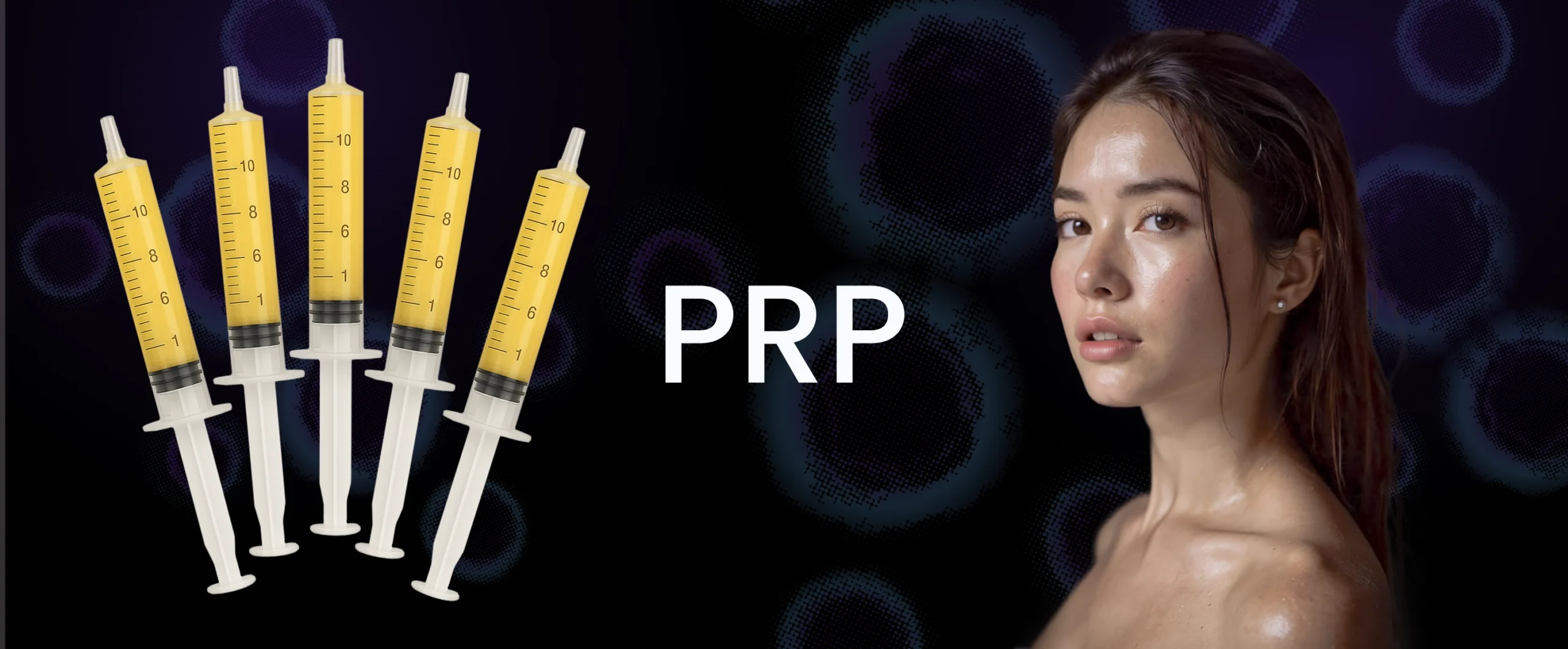
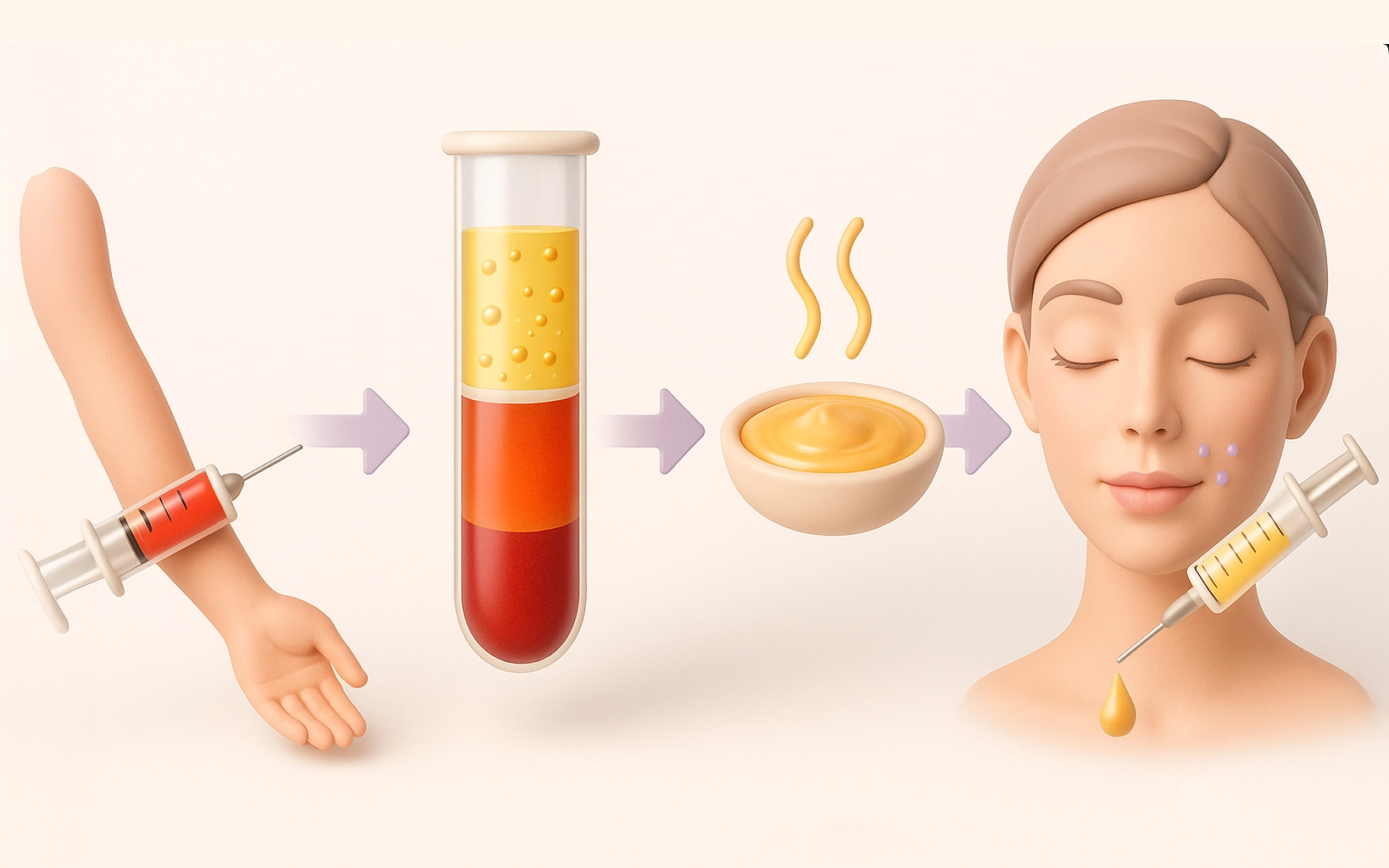
PRP Gel, sometimes labeled plasmagel or gel plasma, is a semi-solid form of platelet-rich plasma. Lipid and collagen support come from your own blood. The process:
- Blood Draw: 10–20 mL of blood is collected.
- Centrifugation: Platelet-rich and -poor layers separate.
- Thermal Conversion: The platelet-poor plasma is heated to form a gel.
- Cooling & Loading: The gel cools, then enters syringes for injection.
Until hyaluronic acid fillers dominated volume correction, they were the go-to option. Yet biofillers not only replenishes volume, it stimulates ongoing collagen production. Because it is autologous, allergy and rejection risks vanish. Its malleable consistency ensures a seamless blend in treated areas.
Pro Tip: Verify that your provider follows precise protocols. Accurate heating and cooling determine how long remains effective (typically 3–6 months).
How Biofiller Works at the Cellular Level
Once injected, biofiller creates a scaffold of fibrin to support platelets. First, platelets release growth factors that signal fibroblasts to produce collagen and elastin. Then, new capillaries form, a process called neovascularization, which boosts blood flow and nutrient delivery.
Key Mechanisms:
- Growth Factor Release: PDGF, TGF-β, and VEGF spur cell regeneration.
- Fibrin Network: Lasts longer than liquid PRP, providing sustained support.
- Microscopic Evidence: Electron microscopy confirms scaffold integration.
Who Benefits from PRP Gel?
Biofiller shines where volume restoration and skin quality converge:
| Concern | Benefit |
| Forehead wrinkles | Collagen remodeling softens lines |
| Nasolabial lines | Gel matrix fills and smooths folds |
| Tear trough hollows | Lower Tyndall risk than HA fillers |
| Acne and hypotrophic scars | Growth factors speed repair |
Injectors may combine prp filler with HA products or use alone as a biofiller (also spelled bio filler) for fully autologous enhancement.
➔ Visit our Regenerative Medicine overview to see how PRP Gel fits into a holistic plan.
Step-by-Step Biofiller Procedure: From Blood Draw to Injection
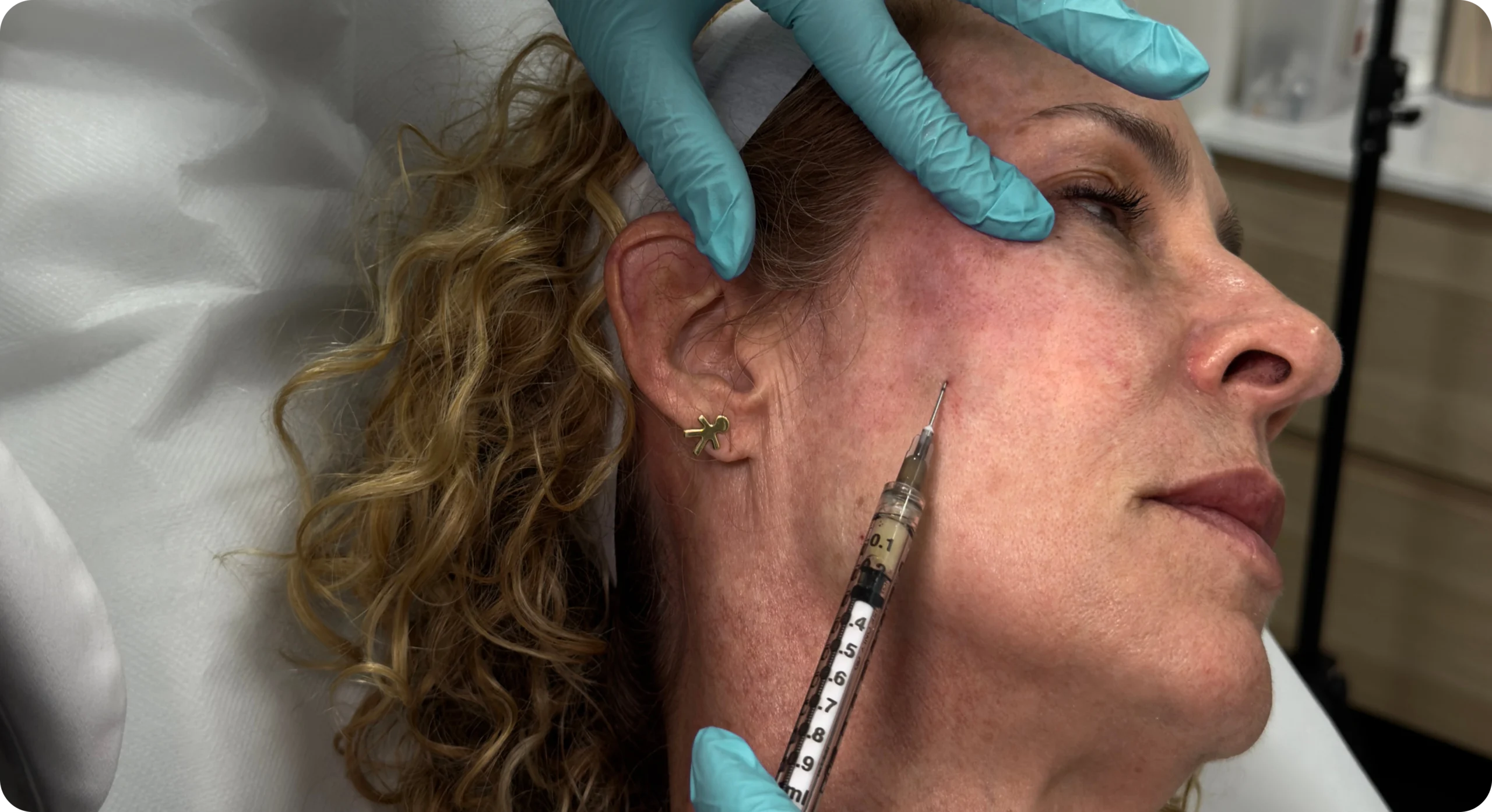
- Venipuncture: Draw blood.
- Centrifuge: Isolate plasma layers.
- Heat: Convert PPP to gel.
- Cool & Load: Transfer gel to syringes.
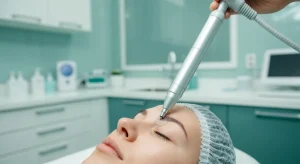
- Inject: Perform strategic prp injection passes, then refined prp injections for soft contouring.
A session takes 45–60 minutes under topical anesthetic. Post-care involves gentle care of treated zones.
Benefits & Expected Results
Clinically, patients note:
Volume Replenishment
Immediate lift from plasma gel presence.
Skin Quality Enhancement
Collagen and elastin surge over 8–12 weeks.
Additional perks:
- Natural feel; no overfill.
- Longevity: 12–18 months.
- Yield: ~6 mL of plasma gel fillers per session.
➔ Learn more on our Regenerative Medicine services page.
Safety, Side Effects & Downtime
Because it uses your blood, this treatment carries minimal risk. You may see mild swelling or bruising for 1–2 days. Providers use sterile technique to prevent infection.
- Hydrate well beforehand.
- Avoid anti-inflammatories afterward.
- Gently massage any small nodules to even out biofiller distribution.
➔ Ready for next-level renewal? Schedule your PRP Gel consultation today and discover your skin’s potential.
PRP Gel vs Traditional Fillers
| Feature | PRP Gel | HA Filler |
| Source | Autologous blood | Synthetic or biotechnological |
| Longevity | 12–18 months | 6–12 months |
| Reversal | Not reversible | Reversible with hyaluronidase |
| Integration | Fibrin scaffold + collagenesis | Hydrated HA volume |
| Ideal Areas | Forehead, mid-face, scars | Lips, deep folds |
Different sources discuss how Biofiller outperforms some NAD IV therapies in integration and safety, showing regenerative methods are not one-size-fits-all.
➔ Compare PRP Gel and HA at our treatment comparison page.
FAQs
Q1: How soon do forehead wrinkles improve with PRP Gel?
Small volume changes appear instantly; collagen remodels lines by 6–8 weeks.
Q2: Can PRP Gel treat deep scars?
Yes. Growth factors boost scar remodeling and can complement microneedling.
Q3: How do I find regenerative medicine near me offering PRP Gel?
Use our locator or search for board-certified providers trained in PRP protocols.
(Embed these Q&A in JSON-LD for rich snippets.)
Conclusion & Call to Action: PRP Gel
Biofiller embodies the power of regen med, it uses your own platelets to restore volume, remodel tissue, and refresh skin. With minimal downtime and long-lasting results, it offers an elegant path to rejuvenation.