
Perfect B, Doral Fl. | 09.16.25 | 5 min read.
Short answer: sometimes but not the way social media “maps” promise. Location can hint at behaviors (products, friction, shaving), and hormones can influence patterns over time, but a single spot never equals a diagnosis. Think of face mapping of acne as a conversation starter about habits and triggers not a diagnosis engine. People search a pimples map or pimple map expecting certainty; evidence shows face mapping of acne should redirect toward practical causes and treatments, not organ by organ predictions. This guide applies face mapping of acne insights responsibly so you know what to change, when to wait, and when to get help.
TL;DR What Pimple Location Can (and can’t) Tell You
- Location ≠ diagnosis. Patterns over time matter more than any one spot; face mapping of acne is helpful only when it guides behavior changes.
- Hygiene helps, harshness hurts. Gentle consistency beats scrubbing or quick fixes.
- See a professional for painful cysts, scarring, or stubborn flares especially around the jawline or under the skin.
- If you use face mapping of acne, use it to adjust products, reduce friction/occlusion, and time interventions not to self diagnose hormones.
Quick Acne Dictionary (visual mini glossary)
Let’s dive into the most common breakout zones and explore what science says about each one, keeping our full-picture approach in mind.
- Blackhead/whitehead (comedones): clogged pores; not “dirt.”
- Papule/pustule: inflamed red bumps; pustules contain visible pus.
- Nodule/cyst: deep, often painful; higher scar risk seek care.
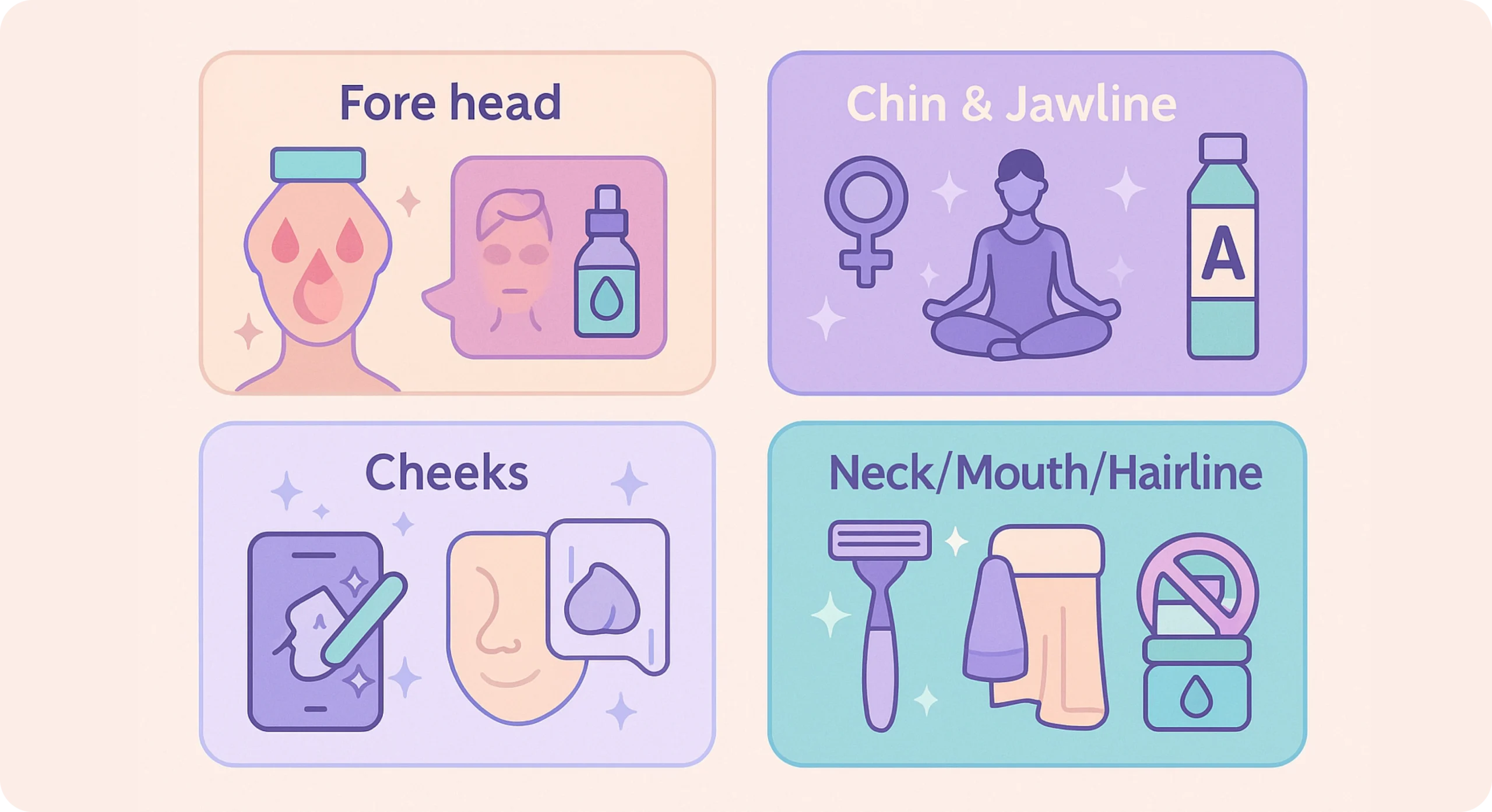
Forehead Breakouts, Breakout on Forehead Meaning Beyond the Myths
If you’re searching breakout on forehead meaning, start with product residue and behavior. Oils, pomades, and sweat under helmets or headbands often congest the hairline; friction and over cleansing can worsen irritation. Much of breakout on forehead meaning comes down to occlusion (products + gear) and routine, not “dirty skin.” Stress and cycles can contribute, but location alone isn’t proof. When you read breakout on forehead meaning on social media, translate it into actionable checks: product labels (non comedogenic), cleansing after workouts, and avoiding heavy leave ins at night. In our clinic, we assess breakout on forehead meaning by pattern tracking and by ruling out irritants before escalating treatment.
Try this:
- Switch to non comedogenic hair/skin products; cleanse after workouts and under hats.
- Rinse residue along the hairline; avoid heavy leave ins at night.
- Log patterns for 2 to 4 weeks; that’s more useful than endless posts about breakout on forehead meaning.
Forehead Breakouts
Chin and Jawline Acne
Clinical Explanation: Breakouts here often correlate with hormonal fluctuations, especially cyclical, and can present as deeper, more painful lesions.
How we apply our approach: We assess cycle patterns and stress, adjust skin and makeup routines, minimize friction, and when indicated, consider hormonal therapy alongside topical retinoids.
Treatment Tips:
- Use topical retinoids like adapalene to regulate turnover
- Discuss hormonal treatments (e.g., spironolactone, select contraceptives) when appropriate
- Manage stress to help balance oil production
Nose Pimples the Real Meaning of Pimples on Nose
Oil glands are dense in the T zone, so congestion here is common. The practical meaning of pimples on nose is usually extra oil + touching/picking + leftover makeup/sunscreen. Hormones may amplify oiliness, but daily routine is your first lever. When you see guides promising the meaning of pimples on nose via organ charts, remember: evidence favors hygiene and behavior. Keep hands off, remove makeup fully, and audit sunscreen residues this reframes the meaning of pimples on nose into steps you control. If repeated, persistent lesions develop, the meaning of pimples on nose shifts from habits to possible treatment escalation.
Chin & Jawline Pimples on Chin Meaning vs. Friction, Plus Breakouts on Jawline
People jump to hormones, but pimples on chin meaning is often mixed: friction from scarves/collars/mouthguards, cosmetics transfer, and shaving/ingrowns, alongside possible hormonal timing. Start with an audit of anything touching the area. For beard or close shave regions, use sharp blades, shave with the grain, and consider a salicylic acid post shave. Keep a 2 to 3 cycle log if you suspect hormonal links. Meanwhile, breakouts on jawline frequently reflect pressure/occlusion from straps or collars. Tackle those first; if breakouts on jawline persist despite behavioral fixes, we consider prescription pathways.
Cheek breakouts friction & contact triggers
If you’re seeing cheek flares, think phone screens, pillowcases, masks, and makeup tools. Reused brushes, unwashed linens, and cheek resting habits are common causes. Clean fabrics/tools weekly and sanitize your phone. If texture or marks linger, we can transition from clearing to repair.
Around the Mouth & Sides Irritation vs. Products
Queries like “pimples side of mouth” or “mouth zit” usually point to irritants: heavy waxy balms, flavored toothpastes, drool/sweat under masks, or wind instruments/guards. Switch to bland balms and SLS free toothpaste; rinse after sports; keep the area dry between mask changes.
Hairline, Temples & Neck Product Occlusion & Gear
Athletes and those with collared uniforms often report neck flares. Sweat + friction + occlusive fabrics = micro clogs. Choose sweat wicking layers, shower promptly post training, and keep styling products off skin.
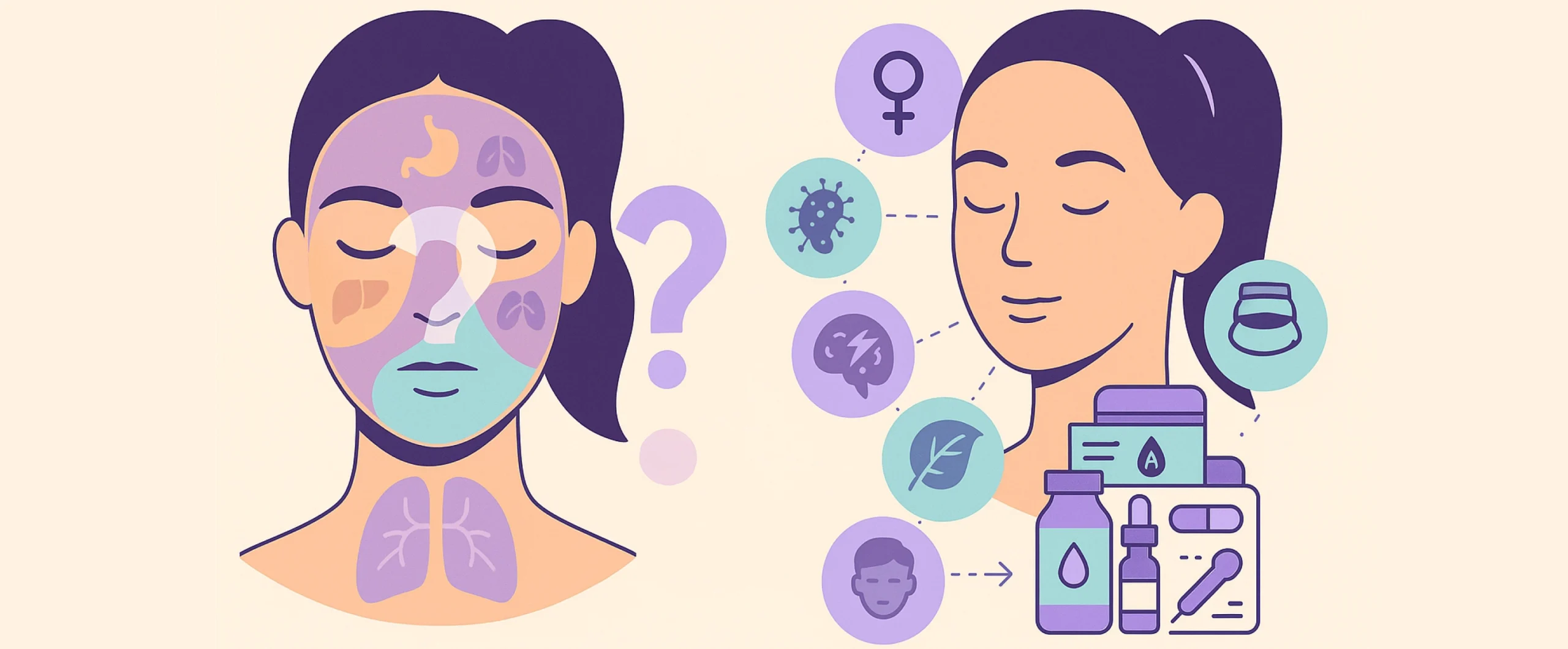
Hygiene vs. Hormones: A Practical Way to Tell What’s Driving Yours
A useful way to apply face mapping of acne is to separate variables:
- Hygiene/behavioral: residue from haircare, incomplete makeup removal, frequent touching, dirty tools/linens, friction/occlusion.
- Hormonal/systemic: cyclical flares, new medications, unmanaged stress, abrupt onset adult acne.
- Mixed: most people live here both factors interplay.
Our clinical perspective at Perfect B (core):
At Perfect B, we often hear patients ask if their breakouts mean something deeper about their body whether it’s poor hygiene, hormones acting up, or even stress showing on their skin. The truth is, acne is rarely caused by “not washing enough.” In fact, over washing can make things worse by stripping away natural oils and triggering more inflammation. What research does show clearly is that hormones especially androgens play a huge role. They stimulate oil glands, and when that oil mixes with dead skin and bacteria, pimples appear. That’s why acne can flare up around puberty, menstrual cycles, or stressful life phases when hormones fluctuate.
Lifestyle habits add another layer. At Perfect B, we notice consistent patterns: patients who report high stress, poor sleep, or diets rich in sugary foods often experience more breakouts. Of course, that doesn’t mean one slice of cake equals a pimple the next day. It’s more about trends over time. Stress, for example, raises cortisol, which can influence oil production and inflammation. Similarly, lack of sleep weakens the skin’s ability to repair itself. Still, distinguishing coincidence from true causation takes patience we track breakouts over weeks and compare them with lifestyle journals to see if patterns repeat.
What remains murky in the science is the direct, one to one cause and effect claim. While hormones and lifestyle clearly influence acne, they don’t tell the whole story. Two patients can eat the same meal or experience the same stress and have completely different skin reactions. Genetics, skin microbiome, and even random chance all play their part. So, when it comes to acne, the message we share with patients is this: hygiene alone isn’t the culprit, hormones often set the stage, and habits can either calm or aggravate the drama but no single factor writes the entire script.
Two week experiment: simplify to a gentle cleanser + non comedogenic moisturizer + benzoyl peroxide (AM) + adapalene (PM). Minimize friction and audit products. If patterns persist, consider hormonal evaluation with a professional; face mapping of acne can inform that conversation but shouldn’t replace it.
Scientific Backing: Clinical guidance consistently lists benzoyl peroxide and topical retinoids (e.g., adapalene) as front line options for mild inflammatory acne.
What actually helps at home (and what to avoid)
Do this consistently
- Benzoyl peroxide (AM) to reduce acne causing bacteria.
- Adapalene (PM) to normalize pore turnover.
- Salicylic acid wash a few times per week for congestion.
- Hands off, gentle cleansing, lightweight sunscreen.
Avoid this
- DIY trauma “zit popping,” bingeing “best pimple popping videos,” or copying “videos on popping blackheads” invites scarring and pigment changes.
- Harsh scrubs or over cleansing; your barrier heals acne faster than you can scrub it away.
If you really want a “deep clean,” book a licensed professional. Resist the urge to “extract everything” at home.
➔ Compare in clinic options (peels, light based tools, medical grade skincare) on our Acne Treatment page built for persistent breakout on forehead meaning, stubborn pimples on chin meaning, nuanced meaning of pimples on nose, and behavior driven breakouts on jawline.
Professional Options (Safe, Stepwise, Clinic Level)
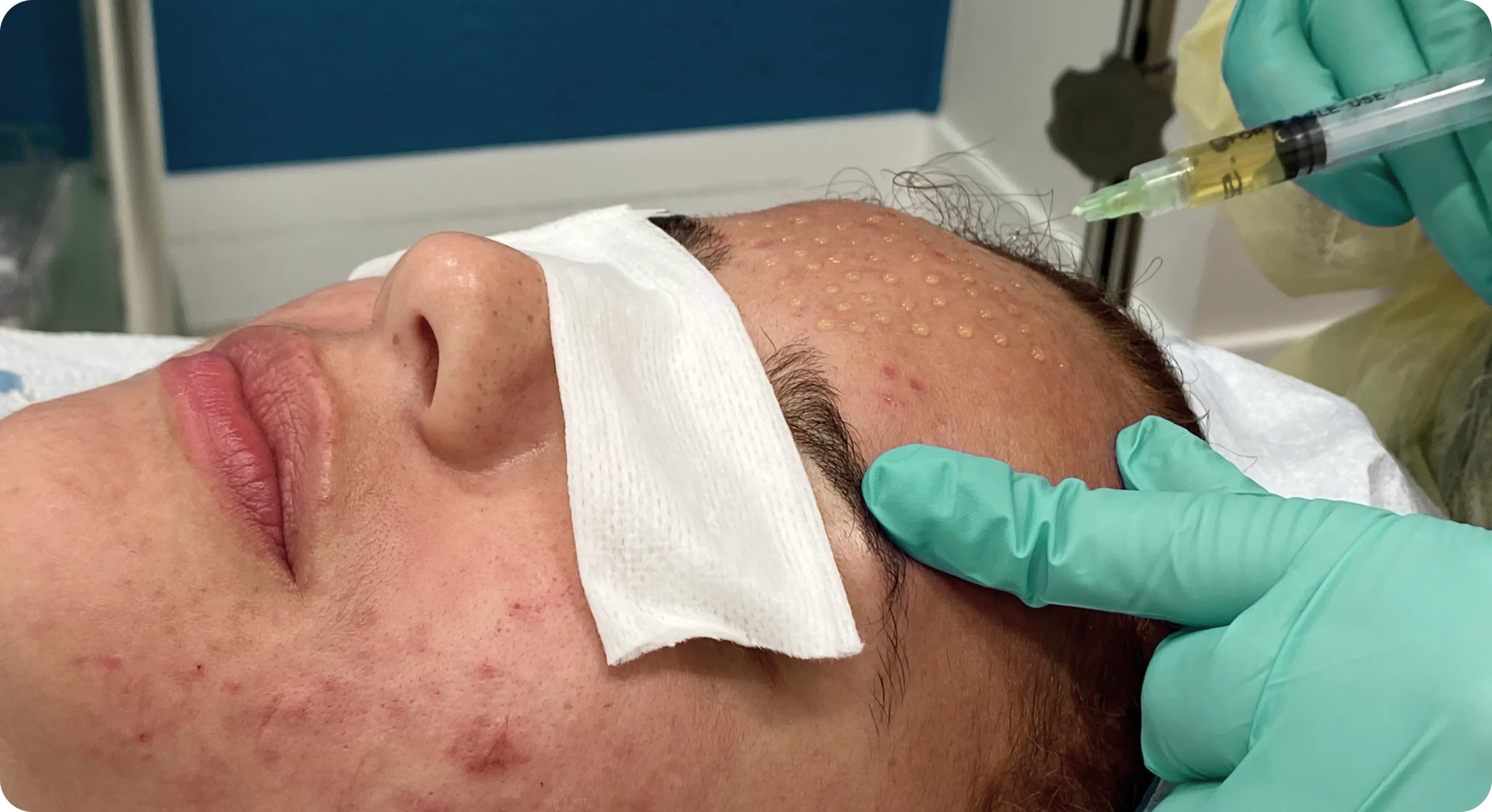
When home care isn’t enough or you’re dealing with deep, tender lesions we offer protocols with medical oversight:
- Chemical peels formulated for acne lesions.
- Light/laser options in select cases for inflammation control.
- Medical grade skincare customized to your pattern (forehead occlusion vs. chin/jawline irritation).
- Dermatology coordination when prescription therapy is indicated.
Each plan uses face mapping of acne thoughtfully: we address behaviors first, then escalate. That approach is especially helpful for breakout on forehead meaning, recurring pimples on chin meaning, the practical meaning of pimples on nose, and gear related breakouts on jawline.
When to See a Professional
Book an evaluation if you notice:
- Painful nodules/cysts, scarring, or recurrent jawline/chin flares that don’t respond to gentle care.
- Sudden severe flares in adulthood, or acne that impacts your confidence, sleep, or social life.
- Repeated infections after picking or home extractions.
Early treatment prevents long term marks and shortens flares.
Your Acne Questions Answered (FAQ)
Q1: Is it ever okay to pop a pimple?
We know the temptation of zit popping is powerful, and the internet is filled with satisfying videos. However, we strongly advise against it. The act of zit popping can push bacteria deeper into the skin, leading to more inflammation, infection, and a much higher risk of permanent scarring. The popularity of videos showing zit popping has made it seem harmless, but it’s incredibly risky for your skin’s long-term health. Resisting the urge for zit popping is crucial for preventing post-inflammatory hyperpigmentation (dark spots) and pitted scars. Instead of zit popping, apply a spot treatment containing benzoyl peroxide or salicylic acid. Remember, a sterile extraction performed by a dermatologist is not the same as at-home zit popping.
Q2: Is zit popping harmful or helpful for acne recovery?
We know it’s tempting, but popping a zit usually does more harm than good. When squeezed, bacteria and inflammation can spread deeper into the skin, leading to more redness, swelling, or even scarring. The truth is, professional extractions done in a clean, controlled setting are much safer than at-home squeezing.
Q3: Is it true that pimples on the nose mean something deeper internally?
Not really. While old myths suggest that pimples on the nose reflect “internal organ health,” modern dermatology shows they’re usually linked to oil production, clogged pores, or bacteria. The nose is part of the “T-zone,” which naturally produces more oil, making it a hotspot for breakouts.
Q4: Does a pimple on the nose say something about lifestyle or skincare?
Sometimes, yes. Excess oil, heavy makeup, forgetting to cleanse properly, or using pore-clogging skincare products can make nose breakouts worse. Lifestyle habits like touching your face often or not cleaning glasses or phone screens can also add to the problem.
Q5: What about a single mouth zit?
A pimple near the mouth can be hormonal, but it can also be caused by irritation from chapstick, toothpaste, or even from resting your hand on your face.
Q6: How can I prevent breakouts on the nose caused by glasses, sweat, or diet?
A few small changes can help:
Clean glasses regularly to prevent buildup.
After sweating, gently cleanse the skin, sweat plus oil can clog pores.
Choose non-comedogenic skincare and makeup.
Diet-wise, some people notice flare-ups from excess dairy or sugary foods, so being mindful can make a difference.
Q7: Are breakouts around the mouth linked to digestion or lip products?
Breakouts near the mouth aren’t usually tied to digestion, despite what some “face maps” online suggest. More often, they come from irritants: toothpaste, lip balms, or products with heavy oils that clog pores. Mask-wearing and sweating in that area can also play a role.
Q8: What is the meaning of pimples on nose?
This is usually due to a high concentration of active oil glands, leading to clogged pores and blackheads.
Q9: Why do I get breakouts around my mouth and chin during certain times of the month?
This is classic hormonal acne. Fluctuations in estrogen and progesterone, especially before a menstrual cycle, can increase oil production and trigger chin and jawline breakouts. You’re not alone it is one of the most common patterns we see in our clinic.
The Bottom Line
Facial pimples don’t read your fortune. Use face mapping of acne to spot patterns, then change what you control. Forehead, translate breakout on forehead meaning into product and habit tweaks. The chin, frame pimples on chin meaning around friction and shaving before hormones. For the nose, center the meaning of pimples on nose on oil management and hands off habits. And if you’re dealing with breakouts on jawline, tackle straps/collars first. When patterns persist, our team builds a plan that respects evidence not myths.
📍 Visit us at Perfect B, Doral FL
📞 Call or message us today to schedule your consultation