Perfect B, Doral Fl. | 11.24.25 | 5 min read.
If you have been searching for PRP injections or wondering what is PRP hair treatment, you are not alone. For many readers the question what is prp hair treatment is really about how safe and effective these PRP injections can be over time. PRP hair therapy has become one of the most requested non surgical options in aesthetic medicine for people who want to slow shedding and support healthier hair without undergoing surgery. At Perfect B we often describe PRP hair treatment as awakening your scalp natural memory. Scientifically this is still the same treatment many people read about when they ask what is prp hair treatment but our focus is on using your own growth factors with precision so they can reactivate dormant follicles and slow excessive shedding in a controlled and safe way. The truth is that this is not magic. It is your own biology at work guided by a clear medical protocol.
Snapshot – PRP Hair Treatment in One Look
This snapshot answers what is prp hair treatment in simple terms before we go deeper into the science and process.
• PRP hair treatment uses a small sample of your own blood, concentrates the platelets, and injects them back into the scalp to support hair growth.
• It is a regenerative option that can complement other solutions in PRP therapy for hair loss, such as topical or oral medications.
• Ideal candidates have thinning areas or early hair loss rather than completely bald patches.
• Most patients need a series of PRP injections, followed by maintenance sessions to protect their results.
• Because it uses your own blood, PRP is generally well tolerated, but there are still important side effects and safety considerations to discuss with your provider.
➔ If you want a deeper look into how regenerative therapies support long term scalp health you can explore our detailed guide on PRP Hair Quality and Restoration. One of the most requested non surgical options in aesthetic medicine for people who want to slow shedding and support healthier hair without undergoing surgery.
Platelet Rich Plasma Basics for Hair Patients
To understand PRP platelet rich plasma injection, it helps to know a bit about your blood. Blood is made of red cells, white cells, plasma and platelets. Plasma is the liquid portion. Platelets are tiny cell fragments involved in clotting and healing. When these platelets are concentrated, we get platelet rich plasma.
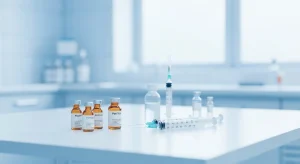
In a typical platelet rich plasma procedure, a small tube of blood is drawn and spun in a centrifuge so heavier cells fall to the bottom and platelets collect in a layer of plasma near the top. This concentrated layer is the PRP that can be injected back into tissues as a kind of growth factors injection.
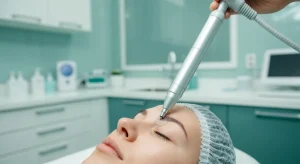
In Spanish speaking contexts you may hear PRP described as plasma plaquetas or PRP plasma rico en plaquetas. It is the same concept. A similar method is used in orthopedic treatments like PRP elbow injection and in cosmetic treatments such as platelet rich plasma PRP facial.
➔ If you want to understand how regenerative therapies extend beyond hair restoration you can visit our page on advanced PRP hair quality optimization. In orthopedic treatments like PRP elbow injection and in cosmetic treatments such as platelet rich plasma PRP facial, where PRP is placed into the skin instead of the scalp.
So, what is a platelet rich plasma injection. In simple terms, it is an injection that delivers your own platelet concentrate back into targeted tissue to support healing and regeneration.
Why Aesthetic Clinics Offer PRP Hair Treatment
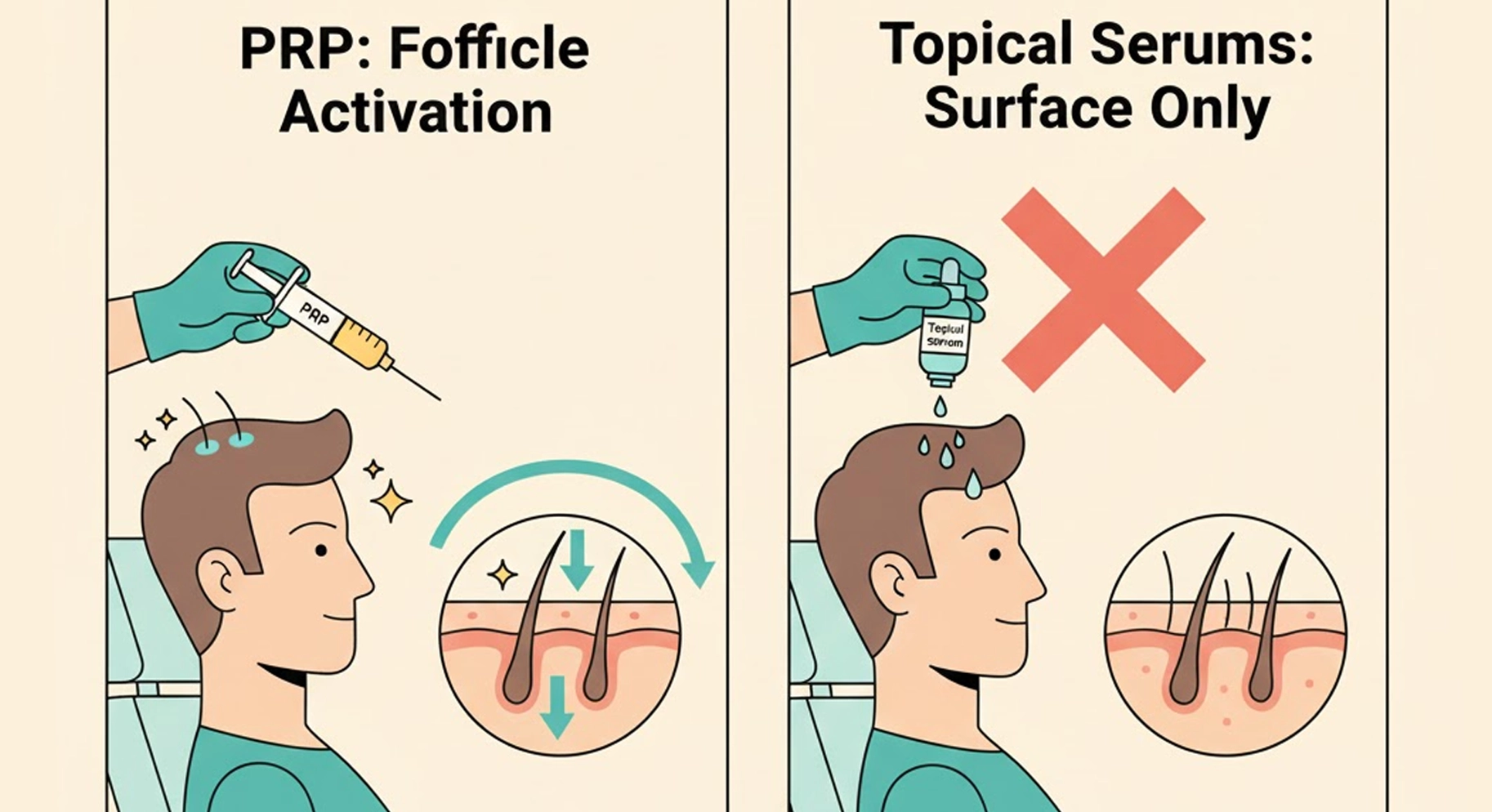
Aesthetic clinics do not offer PRP only because it is popular. At Perfect B we see PRP hair therapy as a way to help the scalp remember healthier patterns of growth instead of promising instant transformation. When patients ask what is prp hair treatment our team explains that it is a regenerative support that works best when we respect how the scalp heals and respond over time. When patients ask what is prp hair treatment, aesthetic teams use this conversation to explain where it fits among their regenerative options. They use PRP hair treatment as part of a regenerative strategy to improve hair density and quality, slow ongoing shedding, and support scalp health and circulation.
For many patients, PRP for hair is attractive because it is minimally invasive and uses their own blood instead of synthetic fillers or implants. Clinics may talk about hair PRP or hair restoration PRP as a way to enhance or delay the need for surgical options.
Some people even search online for PRP for hairs when they first hear about this technique. Regardless of the wording, the goal is the same. PRP gives weakened follicles a better environment to work in so they can produce stronger and thicker strands.
➔ If you want to review how PRP compares with other non surgical hair restoration strategies you can read our complete overview on regenerative hair density treatments. A better environment to work in so they can produce stronger and thicker strands.
A Visit to a Platelet Rich Plasma Clinic Step by Step PRP Process
Consultation and Candidacy
First, the PRP provider reviews your history, examines your scalp, and confirms that PRP therapy for hair loss is appropriate for you. At Perfect B this consultation focuses on scalp condition, past shedding patterns, medical history, and your expectations so the treatment plan is realistic and safe. The best results tend to appear in men and women with early to moderate thinning such as androgenetic alopecia, postpartum shedding, or mild traction loss. PRP may not be as effective when follicles are completely inactive or when scarring alopecia is present, which is why careful candidacy assessment is essential. Your provider may suggest combining PRP with other hair injections or home treatments for the best long term outcome.
Blood Draw and PRP Preparation
Next comes the PRP process. A small amount of blood is drawn from your arm, just as in routine lab work. At Perfect B this sample is processed in a medical grade centrifuge that separates the red cells from the platelet rich layer. The golden plasma that remains contains a high concentration of growth factors and becomes the platelet rich plasma used for treatment. This platelet rich layer is collected and prepared, often mixed into a fine PRP serum ready for injection according to our standardized protocol. In some practices, this is offered as part of a broader PRP service that can also include skin or joint applications.
Scalp PRP Injections
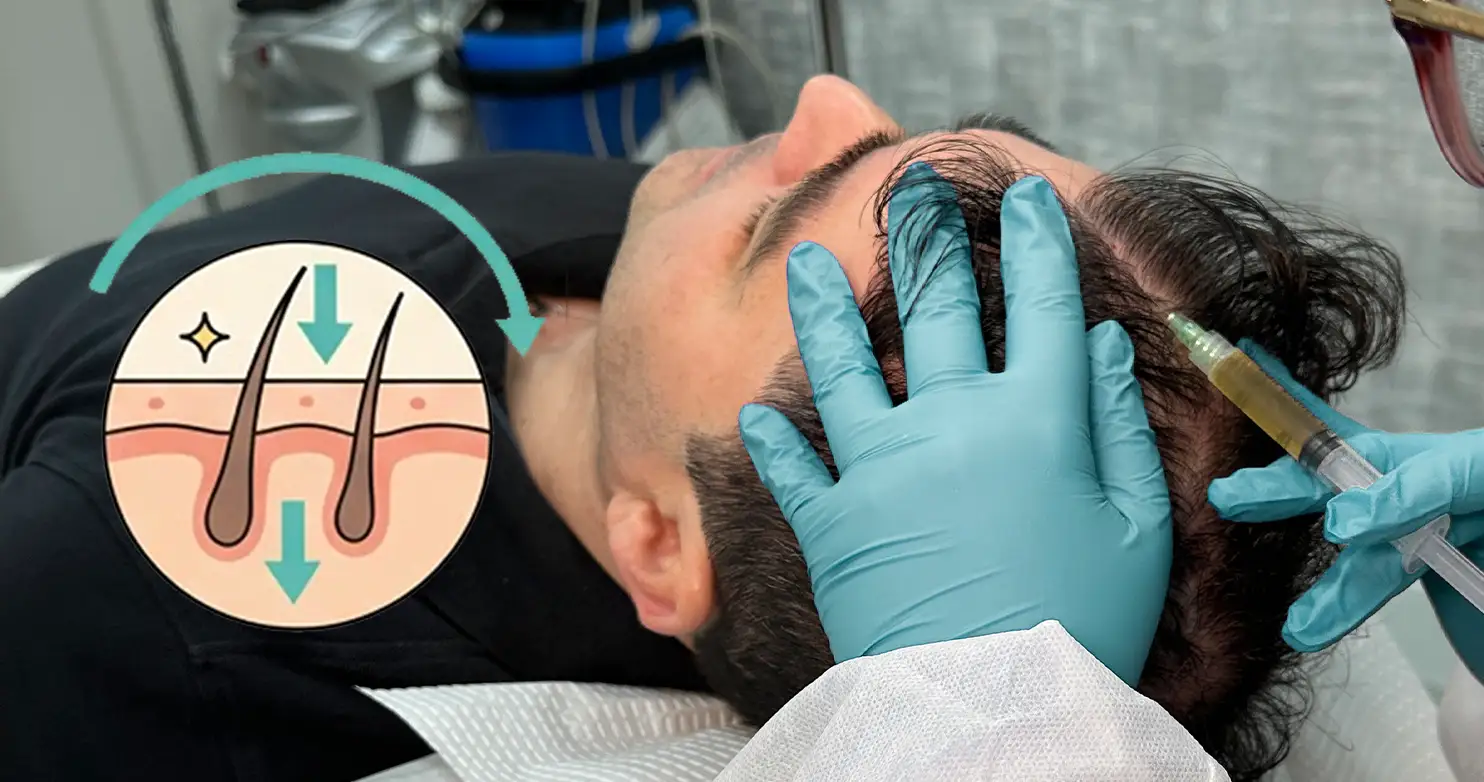
The actual PRP injection hair step is usually done with local anesthetic to keep you comfortable. At Perfect B we prioritize comfort and use numbing creams and other measures so that the session feels as easy as possible while still delivering precise placement of the injections. The clinician performs a series of tiny scalp injections for hair growth across the thinning areas. Each small hair growth injection scalp delivers PRP into the upper levels of the skin near the follicles. Some patients describe this as a series of quick platelet shots. This is the core of scalp PRP treatment.
Aftercare and Follow Up
After your session, you can typically go home the same day. Mild swelling or tenderness for twenty four to forty eight hours is common and our team provides clear aftercare instructions so that you know what is expected and which sensations would need a follow up call. Your team will explain how to care for the scalp and schedule the next visits. Many patients complete a series of PRP injections over several months, with regular follow ups to monitor PRP results.
Before and After Platelet Rich Plasma Real Stories and Timelines
Patients are often most interested in before and after platelet rich plasma photos that show how density and coverage change over time. When you review before and after platelet rich plasma comparisons it is helpful to pay attention to lighting, styling, and the timing between sessions. These images demonstrate changes in hair density, coverage, and overall quality after a full treatment plan.
Most clinics explain that PRP is gradual. This is why many providers use before and after platelet rich plasma documentation at different milestones to illustrate how subtle improvements build over time. The first PRP result you may notice is reduced shedding in the shower or on your brush. Over time, strands may look thicker, and the scalp may show less through the hair. Because hair restoration PRP is not a one time miracle, providers emphasize that results vary and depend on the stage of hair loss, genetics, and consistency with other supportive habits.
To track PRP results your team may use standardized photos, dermatoscope images, or density measurements at baseline and during follow up.
➔ You can also explore our PRP results resource to see how PRP supports hair quality and density over time., your team may use standardized photos, dermatoscope images, or density measurements at baseline and during follow up. These tools give more objective context to before and after platelet rich plasma images that you see in the clinic or online.
Side Effects of PRP Injection and How We Minimize Them
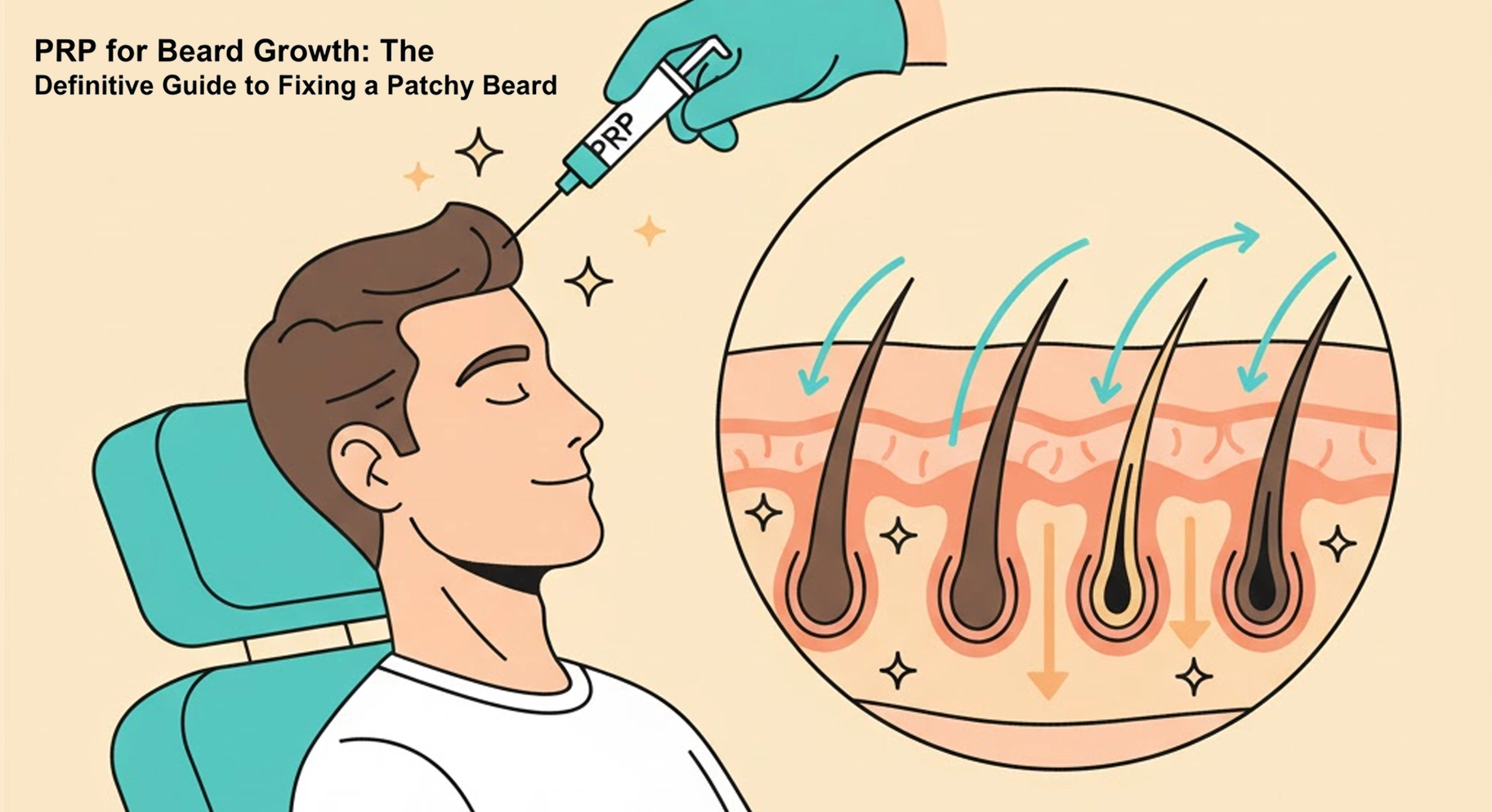
Any injection has potential downsides, and it is important to understand platelet rich plasma injection side effects before you proceed. A clear explanation of platelet rich plasma injection side effects helps you separate normal short term reactions from warning signs that need attention. The most common side effects of PRP injection for the scalp are tenderness or pressure at the injection points, mild swelling or redness, and temporary headache or tight sensation.
These are typical short term PRP injections side effects and usually settle within a few days. During your pre treatment assessment your provider will review platelet rich plasma injection side effects in detail and answer your questions. Occasionally, patients worry that a specific PRP hair treatment side effect means something is wrong, so your provider will give you clear instructions about when to rest and when to call.
More serious but less frequent issues can include infection, bleeding, or an exaggerated inflammatory reaction. These are examples of PRP hair treatment side effects or PRP treatment for hair side effects that require medical assessment. Good sterile technique and careful screening reduce these risks. If you ever notice symptoms that do not match the platelet rich plasma injection side effects described to you it is important to contact the clinic promptly.
Another common question is does PRP injections hurt. Everyone feels pain differently. Some people feel only pressure. Others describe PRP therapy pain as short and sharp pinches in sensitive areas. Topical numbing or nerve blocks are often used to keep you comfortable, and you can discuss options with your provider before treatment. Talking openly about platelet rich plasma injection side effects and comfort strategies usually makes patients feel more at ease.
Is PRP Hair Treatment Right for My Type of Hair Loss
Not every person with thinning hair needs or benefits from PRP. Determining candidacy is a key part of ethical PRP therapy for hair loss. At Perfect B we explain that PRP is most effective when follicles are still present but underperforming rather than completely absent. This is why our team takes time to study your scalp in detail and to clarify whether PRP alone is appropriate or whether it should be combined with other strategies.
For others, especially those with long standing bald patches, PRP alone may not deliver enough improvement. In those situations, PRP might still be used as a hair growing injection around transplant grafts or thin zones, but expectations need to be realistic.
Women after pregnancy and individuals experiencing hormonal shifts may also consider PRP as part of their strategy.
How Many PRP Sessions and What Maintenance Looks Like
A single visit rarely provides lasting results. Most protocols for PRP injections involve a series of sessions. At Perfect B we typically recommend three to four sessions spaced about one month apart, followed by maintenance visits every six to twelve months depending on how quickly your scalp tends to lose density. Many clinics plan an initial phase of treatments spaced a few weeks apart, followed by maintenance visits every few months.
Because PRP therapy for hair loss is regenerative, results unfold slowly. Most patients begin to notice reduced shedding after the first month and visible thickening between three and four months as the follicles shift into a healthier growth phase. You may see early PRP results in the form of less shedding and better hair texture, with thicker coverage appearing later. Maintenance is important. Just as hair loss is progressive, the benefits of PRP need reinforcement through continued PRP service.
How Much Does PRP Hair Treatment Cost and How Do I Choose a PRP Provider
Cost varies widely. When people search platelet rich plasma therapy near me, they often see a broad range of prices and package structures. Factors that influence investment include the expertise of the PRP provider, whether the practice is a dedicated platelet rich plasma clinic or a general aesthetic center, the type of kit and processing used, and the number of sessions included.
A qualified PRP clinic will explain their protocol, show examples of outcomes, and discuss whether you are an appropriate candidate.
- Before: arrive well hydrated and avoid heavy styling products. Your clinician may ask you to avoid NSAIDs before platelet shots.
- After: gentle shampoo the next day and avoid intense heat, pools, and strenuous exercise briefly. Expect a tender hair growth injection scalp for a day or two and use only recommended products on treated areas.
- Follow up: we reassess prp injection hair regions at the next visit and adjust the map as needed.
- These steps help you stay comfortable after prp injection hair visits and support consistent prp results between sessions.
➔ If you want guidance on selecting the right regenerative specialist you can review our provider selection insights for PRP hair restoration. Will explain their protocol, show examples of outcomes, and discuss whether you are an appropriate candidate.
FAQ About PRP Hair Injections
Q1: Can scalp PRP be used safely on the beard
PRP hair treatment is a series of PRP injections using your own platelet rich plasma, injected into targeted scalp areas to support hair quality and density.
Q2: What is PRP treatment for hair and how is it different from other options
PRP is minimally invasive and regenerative, often used when people want to delay or complement medication or surgery instead of replacing them.
Q3: Can PRP be combined with other treatments
Yes. Clinics frequently combine scalp PRP with topicals, supplements, or light based therapies.
Q4: How long do results last and is there downtime
Most people resume normal activities quickly, with only mild short term tenderness.
Booking a Consultation Turning Information into a Personalized Plan
If you are curious about PRP hair treatment or comparing options like medications or surgery and still asking what is prp hair treatment in the context of your own hair story, a consultation helps you explore them with an expert.
During your visit, the clinician will review your history, examine your scalp, and determine whether PRP injections make sense as part of your plan. You can discuss expectations, timelines, and how a regenerative growth factors injection strategy fits within your broader hair care plan.
Thoughtful PRP therapy for hair loss can be one piece of a long term approach to keeping your hair looking as full and healthy as possible.
Ready to optimize your health?
Visit our Hair Quality and Restoration treatment page to review candidacy pricing and request your consultation.