
Perfect B, Doral Fl. | 02.27.26 | 5 min read.
Introduction
Why people search appetite control and suppressants
If you are researching appetite control & suppressants, you are not alone. Many people want a practical, safe way to manage hunger and cravings without feeling stuck in an endless cycle. This guide explains what appetite suppressants are, how they work, what options exist, who may qualify, what side effects to watch for, and what to expect if you choose a supervised plan.
A supervised option
➔ If you want a supervised path that combines nutrition, monitoring, and medication when appropriate, explore our medical weight loss treatment plan page to see how structured care supports appetite control & suppressants.
What Are Appetite Suppressants?
Definition and purpose
Appetite suppressants are therapies that can reduce hunger, increase fullness, or decrease cravings. Some are prescription medications and some are supplements. People often compare appetite control & suppressants because they want a plan that feels sustainable.
Appetite suppression vs appetite control
A helpful distinction is this.
Appetite suppression focuses on directly reducing hunger signals.
Appetite control includes broader support such as consistent meals, higher protein intake, better sleep, hydration, and stress management.
You can improve appetite control & suppressants outcomes when you combine any therapy with a reduced calorie eating plan and regular activity.
How Appetite Suppressants Work
Definition and purpose
Appetite suppressants are therapies that can reduce hunger, increase fullness, or decrease cravings. Some are prescription medications and some are supplements. People often compare appetite control & suppressants because they want a plan that feels sustainable.
Appetite suppression vs appetite control
A helpful distinction is this.
Appetite suppression focuses on directly reducing hunger signals.
Appetite control includes broader support such as consistent meals, higher protein intake, better sleep, hydration, and stress management.
You can improve appetite control & suppressants outcomes when you combine any therapy with a reduced calorie eating plan and regular activity.
How Appetite Suppressants Work
The three systems that shape appetite
If your main goal is how to reduce appetite, it helps to understand the biology. Hunger is regulated by brain signaling, gut hormones, and how quickly your stomach empties.
Brain signaling and cravings
Some therapies change brain pathways related to reward and cravings. This can help people who struggle with late night snacking or stress eating. If you are wondering how to reduce appetite without feeling deprived, craving control is often the missing piece.
Gut hormones and weight loss peptides
What patients are really asking about GLP 1
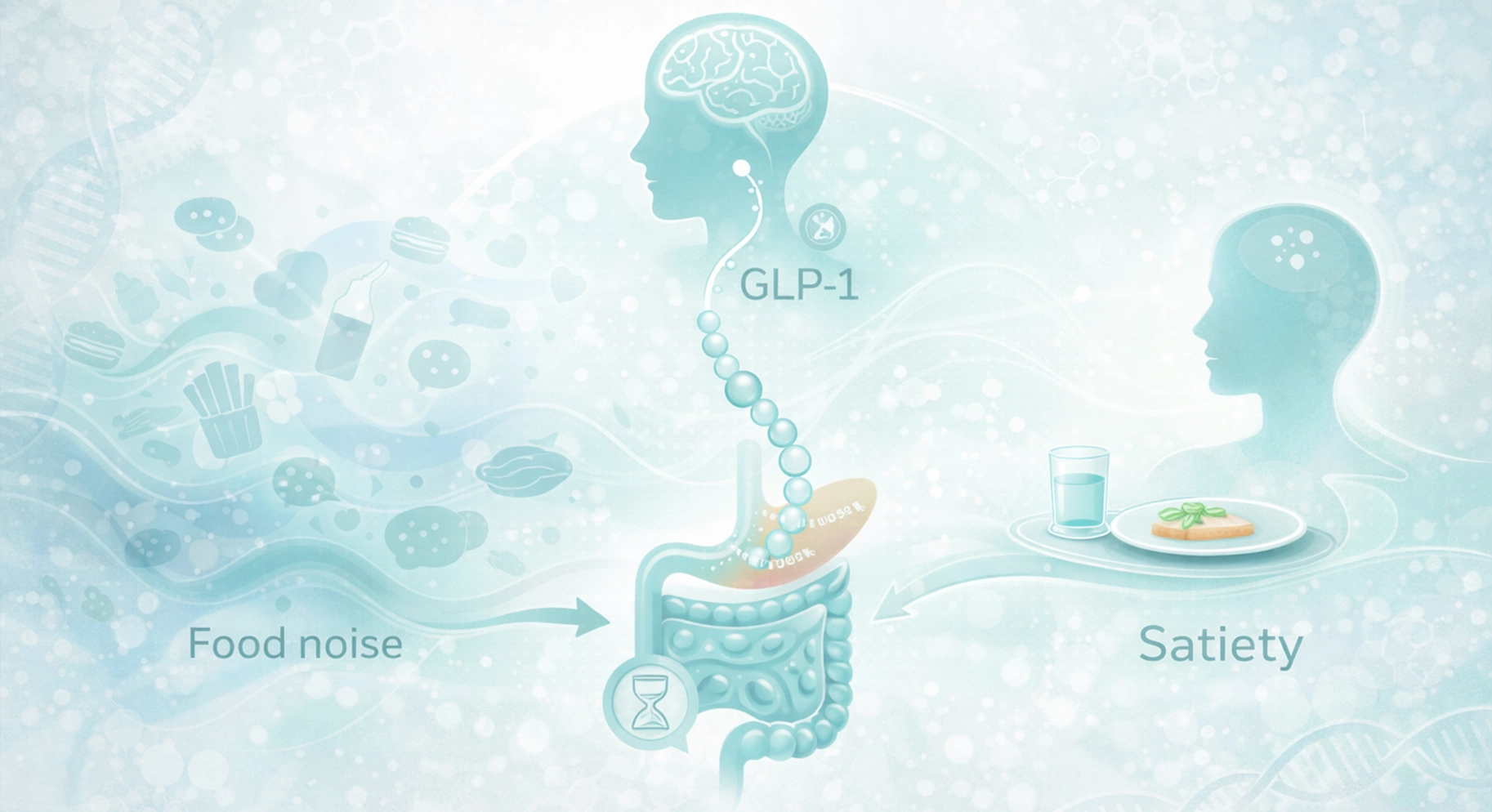
Many patients who ask about a GLP 1 appetite suppressant are really asking a deeper question. Will this finally help me feel in control around food. In plain language, GLP 1 medications mimic a natural hormone your gut already makes after you eat. That hormone signals satisfaction to the brain, slows digestion, reduces cravings, and supports steadier blood sugar. For many patients, the shift is not deprivation. It is balance. Over the first month, hunger cues soften, snacking decreases, and portions naturally shrink without constant mental negotiation.
Understanding weight loss peptides in clinical medicine
Many patients who ask about a GLP 1 appetite suppressant are really asking a deeper question. Will this finally help me feel in control around food. In plain language, GLP 1 medications mimic a natural hormone your gut already makes after you eat. That hormone signals satisfaction to the brain, slows digestion, reduces cravings, and supports steadier blood sugar. For many patients, the shift is not deprivation. It is balance. Over the first month, hunger cues soften, snacking decreases, and portions naturally shrink without constant mental negotiation.
Understanding weight loss peptides in clinical medicine
You may also see searches for weight loss peptides when people read about hormone based therapies. In medicine, certain treatments mimic naturally occurring hormones that help you feel full sooner and reduce hunger. That is why weight loss peptides are frequently discussed in obesity medicine.
The right clinical questions before starting
If you want the safest results, start with the right questions. Is weight gain hormonally driven. Are insulin resistance or menopausal changes present. What is the goal, metabolic health, inflammation reduction, or long term maintenance. These details shape which appetite control & suppressants approach is safest and most effective.
This topic can overlap with searches like peptides to lose weight, peptides for losing weight, and peptides for fat loss. It is important to separate regulated medical therapies from unverified products marketed online. Trying to make peptides at home is unsafe.
➔ If you want to understand how weight loss peptides fit into a broader plan that may include metabolic optimization, explore our regenerative medicine program page for context on supervised peptide based approaches.
Stomach emptying and fullness
Some therapies slow stomach emptying. This can support how to reduce appetite because meals keep you satisfied longer and reduce the urge to graze.
Appetite Suppressant Options by Category
A quick way to compare options
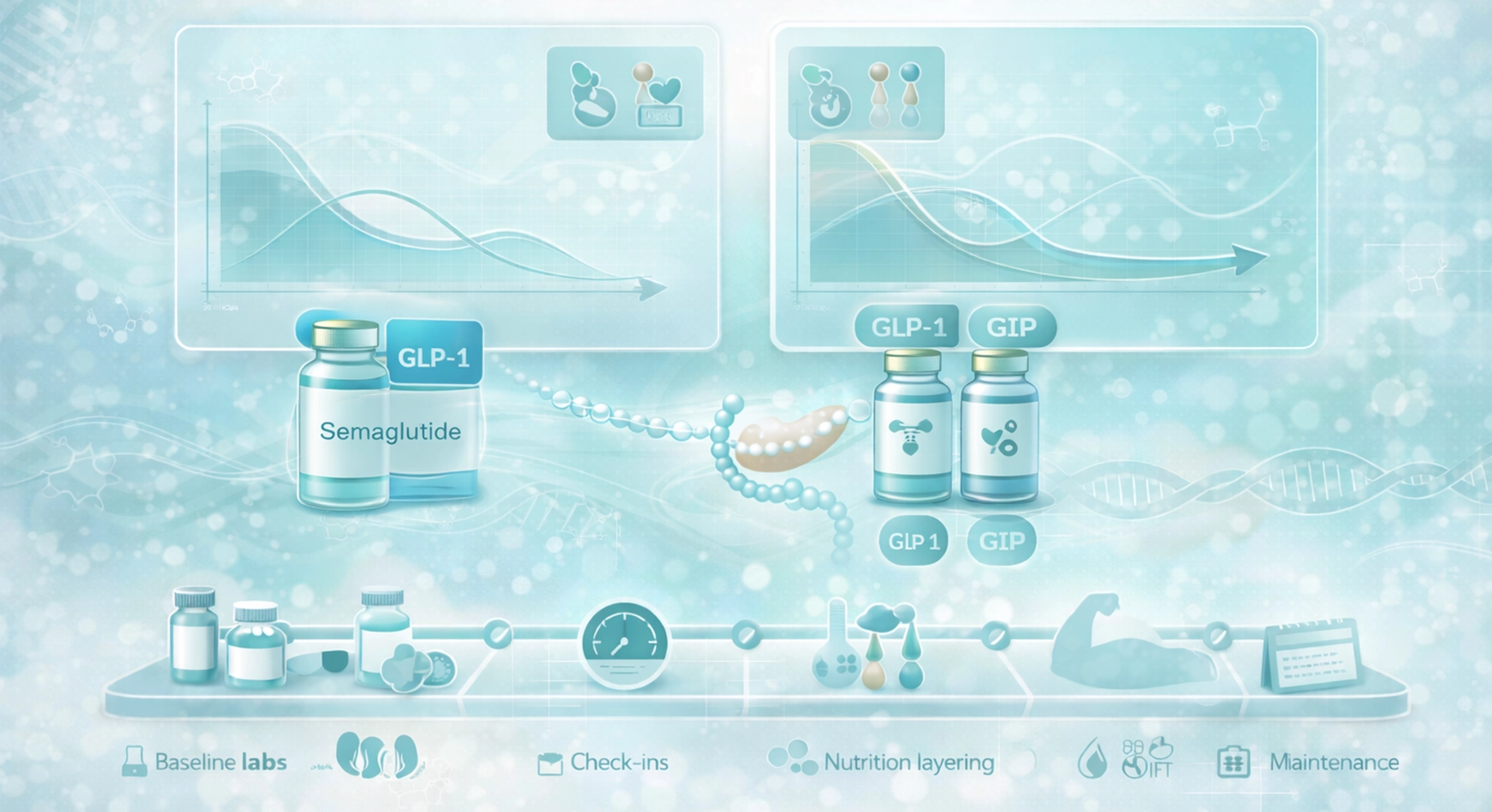
There is no single best approach for everyone. The safest results come from choosing options that match your health profile and monitoring needs. This section is designed to be easy to scan and to support appetite control & suppressants decisions.
Category 1: Prescription injections
Some prescription injections are based on weight loss peptides that regulate satiety. These therapies often require gradual dose changes and regular follow ups. People who are a good fit usually notice less hunger and smaller portion sizes.
If you are researching weight loss peptides, the most important questions are safety, eligibility, and monitoring. Ask how side effects are managed and what the follow up plan looks like.
At Perfect B, our differential value is the follow up plan. We do not treat appetite control & suppressants as a single prescription. We build a safe and sustainable system that includes gradual dose titration, nutrition coaching, muscle preservation strategies, metabolic labs, and ongoing monitoring. Real success is not only losing weight. It is protecting lean mass, stabilizing hormones, and feeling well while doing it.
Category 2: Prescription pills
Many readers want clarity on best appetite suppressant pills. Prescription pills can support cravings, hunger, or metabolic pathways depending on the medication selected. The phrase best appetite suppressant pills is popular because it sounds like one simple answer, but in practice the best choice depends on your medical history.
You may also see the phrase pills to suppress hunger. If you are searching pills to suppress hunger, use it as a prompt to get medical screening, not as a reason to self prescribe.
➔ To see what clinical screening typically includes before starting best appetite suppressant pills, review the intake and monitoring steps described on our weight loss treatment plan page.
Category 3: Short term suppressants
Some short term medications have stimulant like effects and may be classified as an anorectic. In some cases, a clinician may discuss options such as tenuate. A common question is does phentermine burn fat or just suppress appetite. In most cases, the primary effect is appetite reduction, while fat loss happens indirectly through lower calorie intake.
Short term options can affect sleep, mood, heart rate, and blood pressure. They require careful screening.
Category 4: Over the counter options and supplements
Many people want the best appetite suppressant over the counter because it feels more accessible. The challenge is that the best appetite suppressant over the counter is not the same for everyone and quality varies.
Some products are marketed as an appetite suppressant supplement or supplements to curb appetite. Some rely on fiber, caffeine, or herbal extracts. Before using any appetite suppressant supplement, confirm ingredients, interactions, and stop rules.
➔ If you are deciding between best appetite suppressant over the counter products and supervised options, read how our weight loss program approaches safety, side effects, and realistic expectations.
Who Should Consider Appetite Suppressants?
Who benefits most from medical guidance
Appetite control & suppressants are usually discussed when consistent lifestyle changes have not been enough and weight is affecting health. This is part of anti obesity care, but the goal is health improvement.
A clinician typically considers BMI, weight related conditions, current medications, mood history, cardiovascular risks, and previous attempts.
If you are seeking how to reduce appetite because hunger feels constant, a medical evaluation can identify drivers such as poor sleep, stress, insulin resistance, medication side effects, or binge cycles.
What to Expect During Treatment
The typical timeline
A clear plan increases success.
Before starting
A good intake includes medical history, current meds, goals, appetite patterns, and a plan for follow ups. If you are considering best appetite suppressant pills or weight loss peptides, ask about timelines for results and how side effects are handled.
At Perfect B, we center the plan around why appetite feels dysregulated in the first place. We look for signals of insulin resistance, stress physiology, sleep disruption, and hormonal transitions such as perimenopause or menopause. That assessment helps us choose appetite control & suppressants strategies that work with biology rather than against it.
First four weeks
Many people notice reduced hunger or improved portion control. Some experience nausea, constipation, or headache depending on the therapy.
During this phase, focus on routines that improve how to reduce appetite naturally, such as protein at meals, fiber, and consistent sleep.
Weeks four to twelve
This is where progress is reviewed. The plan may include dose changes, medication switches, or stopping rules. Many people also revisit whether best appetite suppressant over the counter products are adding value or adding risk.
Risks, Side Effects, and When to Call the Doctor
What to watch for
Side effects vary. Some categories cause more GI symptoms. Others affect sleep, mood, or cardiovascular markers.
Call a clinician promptly if you have chest pain, fainting, severe mood changes, confusion, or allergic symptoms.
If you are using best appetite suppressant over the counter products, stop and seek advice if you experience palpitations, anxiety spikes, or severe insomnia.
Natural Supports That Help Appetite Control
WSupport strategies that pair well with treatment
Natural remedies for weight loss can support hunger control, especially when paired with a structured plan.
Appetite suppressant foods
Appetite suppressant foods typically include protein rich meals, fiber rich plants, and water rich foods. These support fullness and reduce cravings.
Yes, appetite suppressant foods can improve GLP 1 results. High fiber foods such as lentils, chia seeds, and vegetables, protein rich meals, and healthy fats can stimulate your body own GLP 1 release. When someone is already on GLP 1 therapy, these foods do not replace the medication. They support it. Fiber also slows stomach emptying and stabilizes blood sugar, which can mean fewer crashes and fewer cravings. When nutrition rows in the same direction as medication, appetite control & suppressants results are often smoother and more sustainable.
Tea and coffee
Appetite suppressant tea is a common habit strategy. A green tea appetite suppressant effect may be mild and varies by person. Herbal tea for weight loss is often more about replacing sugary drinks and creating a pause that reduces snacking.
A frequent question is is coffee an appetite suppressant. For some people, caffeine reduces hunger temporarily. For others, it worsens anxiety or sleep and backfires.
When patients ask for the best natural appetite suppressant, the most reliable answer is protein, fiber, hydration, and sleep support.
➔ If you want help choosing the safest option for appetite control & suppressants, consider scheduling a medical weight evaluation through our weight loss treatment plan page.
Frequently Asked Questions (FAQ)
Q1: Can appetite suppressant foods improve GLP-1 results?
Yes… and the truth is, they can make a meaningful difference.
High-fiber foods (like lentils, chia seeds, vegetables), protein-rich meals, and healthy fats naturally stimulate your body’s own GLP-1 release. So when someone is already on a GLP-1 medication, these foods don’t “replace” it, but they support it. Think of it like rowing in the same direction as the medication instead of against it.
In addition, fiber slows stomach emptying and stabilizes blood sugar. That means fewer crashes. Fewer cravings. And the fact is that when patients combine GLP-1 therapy with intentional nutrition, results are usually smoother and more sustainable.
Q2: Why are GLP-1 medications often considered the best appetite suppressant for women seeking sustainable weight loss?
Because they work with biology , not against it.
GLP-1 medications mimic a natural gut hormone that signals fullness to the brain, slows digestion, and improves insulin response. For many women, especially in perimenopause and menopause, appetite dysregulation is hormonal, not just behavioral. And the truth is, willpower alone rarely fixes hormonal hunger.
Unlike stimulant appetite suppressants, GLP-1s don’t simply “shut down” hunger abruptly. They recalibrate it. Patients often say, “I just feel normal around food.” That’s a big shift, emotionally and metabolically.
Q3: Is GLP-1 considered an anorectic? What does “anorectic” imply about risks?
Technically, yes GLP-1 medications are classified as anorectic agents because they reduce appetite.
But that word can sound alarming. “Anorectic” simply means appetite-reducing. It does not mean it causes anorexia nervosa.
The key difference is mechanism. Traditional anorectics often stimulate the central nervous system and can raise heart rate or blood pressure. GLP-1 medications work through gut-brain hormonal signaling. So while they still have side effects (like nausea, especially early on), the risk profile is different and generally more metabolically targeted.
Q4: Can natural remedies for weight loss suppress appetite like GLP-1 does, or do they work differently?
They usually work differently.
Fiber, protein, green tea extract, berberine, these can modestly influence satiety or blood sugar. But they do not directly activate GLP-1 receptors at therapeutic levels.
So while natural tools can support appetite control, they’re typically gentler and less potent. Think of them as dimming the lights slightly… whereas GLP-1 therapy adjusts the entire thermostat.
And in addition, natural remedies still require strong consistency to see measurable results.
Q5: Why does a GLP-1 appetite suppressant often work differently than typical pills to suppress hunger?
Most older appetite pills stimulate the brain. They increase norepinephrine or dopamine. Hunger decreases but sometimes anxiety increases too.
GLP-1 medications work peripherally and centrally through hormone signaling. They slow gastric emptying and enhance fullness signals to the hypothalamus. So patients don’t feel “wired.” They feel satisfied sooner.
The fact is that many describe it as quieting food noise, not forcing restriction.
Q6: Are GLP-1 pills as effective to suppress hunger as GLP-1 injections?
Currently, injectable GLP-1s tend to produce stronger and more consistent appetite suppression compared to oral versions.
Oral GLP-1 medications must survive stomach acid and be absorbed properly, which can reduce bioavailability. Injections bypass digestion and provide steadier hormone levels.
That said, pills can be a great option for patients who prefer oral therapy or have needle aversion. Adherence matters. A medication only works if it’s taken consistently.
Q7: Is GLP-1 the best fat-burning peptide? How does it compare with AOD-9604 or CJC-1295 + Ipamorelin?
GLP-1 is not technically a “fat-burning” peptide. It primarily reduces caloric intake by lowering appetite and improving insulin sensitivity.
Peptides like AOD-9604 are peptides for lipolysis (fat breakdown), and CJC-1295 + Ipamorelin stimulate growth hormone release.
So the truth is GLP-1 has the strongest evidence for meaningful weight loss outcomes. The others can support metabolic optimization and are a good combination for appetite regulation and body recomposition.
Take Control of Your Hunger Today
This guide is built for people searching appetite control & suppressants who want a clinical, realistic approach.
Key takeaways.
- Weight loss peptides can be effective in structured medical programs, but require eligibility screening and monitoring.
- Appetite control & suppressants work best when paired with nutrition, activity, and follow ups.
- Understanding how to reduce appetite starts with biology, not willpower.
- Best appetite suppressant pills are individualized and should be medically supervised.
- Best appetite suppressant over the counter products vary in quality and risk, so label review matters.
Appetite control & suppressants can be a useful part of care, but there is no single best option. The best plan is the one that is safe, monitored, and realistic for your body and your life.
Ready to optimize your health?
If you are exploring hormone based pathways and weight loss peptides within a broader optimization plan, review our regenerative medicine program page to see how supervised care is structured.