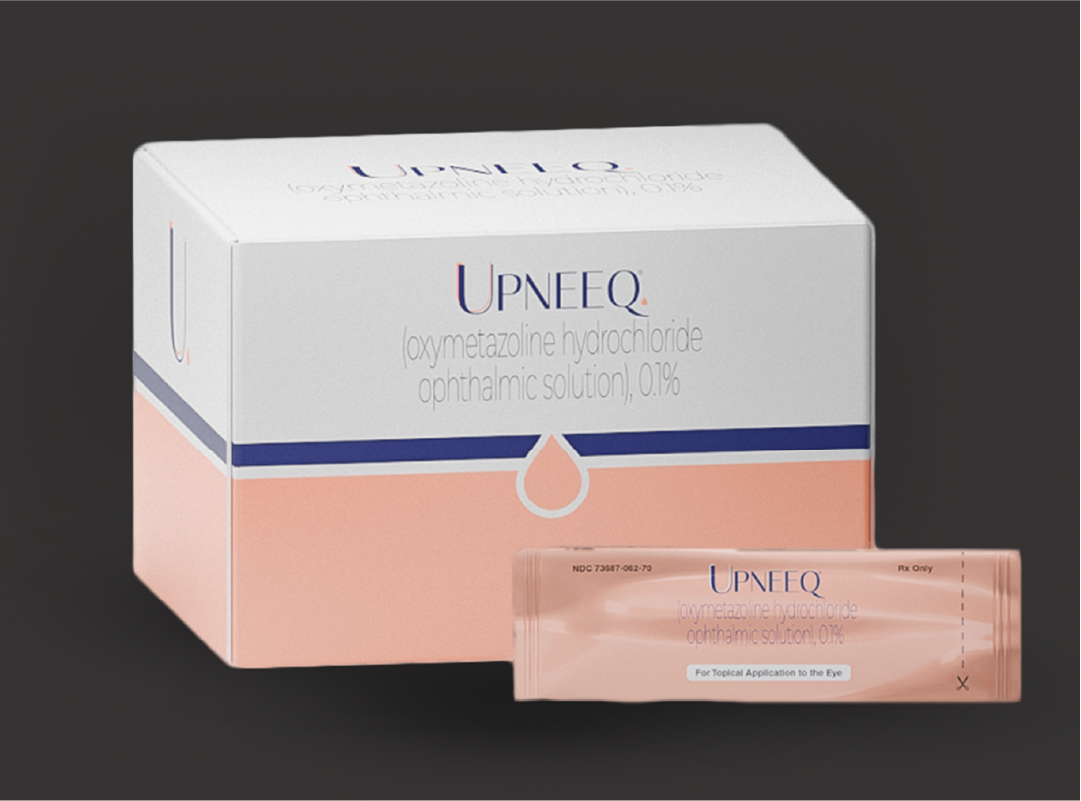
Dive deeper into the world of advanced eye care with Upneeq Eye Drops by RVL. Beyond just a treatment, it’s a promise of transformation, ensuring that every individual can overcome the challenges of acquired blepharoptosis and embrace a life of clear, unhindered vision.
FDA Status:
APROVED
BEFORE TREATMENT
Instructions
- Other Eye Drops or Medications: If you use other eye drops or medications, you can still use UPNEEQ. However, you should wait at least 15 minutes before or after using UPNEEQ to use your other eye products.
- Dry Eyes: Many patients with dry eyes use UPNEEQ. If you have dry eyes or any other pre-existing conditions, discuss them with our profesional to ensure safe and effective use. We might recommend additional precautions or suggest alternative treatments based on the severity of your condition.
Download full version below
POST TREATMENT
Instructions
- Other Eye Drops or Medications: If you use other eye drops or medications, you can still use UPNEEQ. However, you should wait at least 15 minutes before or after using UPNEEQ to use your other eye products.
- Dry Eyes: Many patients with dry eyes use UPNEEQ. If you have dry eyes or any other pre-existing conditions, discuss them with our profesional to ensure safe and effective use. We might recommend additional precautions or suggest alternative treatments based on the severity of your condition.
Download full version below
Want more info? Book a Consultation Appointment
PERFECT B AESTHETIC MEDICINE
Upneeq Eye Drops Therapy
Understanding Acquired Blepharoptosis
Acquired blepharoptosis, or droopy eyelids, is more than just a cosmetic concern. It can hinder daily activities and affect one’s quality of life. RVL’s Upneeq Eye Drops, with its 0.1% formulation, is a beacon of hope for those seeking an effective solution. It’s not just about elevating the eyelids; it’s about elevating one’s life experiences.
Commitment to Quality and Research
RVL stands at the forefront of ophthalmic research, and Upneeq Eye Drops are a testament to this commitment. Every bottle encapsulates years of dedicated research, ensuring that users receive a product that is both safe and potent in addressing their specific needs.
Empower Your Eyes, Empower Yourself
Your eyes are the windows to your soul, and they deserve the best care. With Upneeq Eye Drops, you’re not just enhancing your vision; you’re reclaiming your confidence, ensuring that every glance, every gaze, is as impactful as it should be.
Duration of results
UPNEEQ’s impact, while potent, is designed to be ephemeral, catering to daily application needs. Ordinarily, the enhancement in droopy eyelid presentation endures for a span of six to eight hours post-application. As the medication’s efficacy diminishes, the eyelids methodically revert to their innate stance.
Downtime
Eye Drops are designed for daily use to treat acquired blepharoptosis (droopy eyelids). The treatment typically does not involve any surgical procedures, so there is no significant downtime associated with its use. Patients can generally resume their daily activities immediately after applying the drops.
Contraindications
- Known Allergy: Individuals with a known hypersensitivity or allergy to oxymetazoline or any other ingredient in Upneeq should avoid using it.
- Certain Eye Conditions: It’s essential to discuss with an ophthalmologist if you have any pre-existing eye conditions before using Upneeq.
- Contact Lens Wear: If you wear contact lenses, you should discuss the appropriate use of Upneeq with your ophthalmologist.