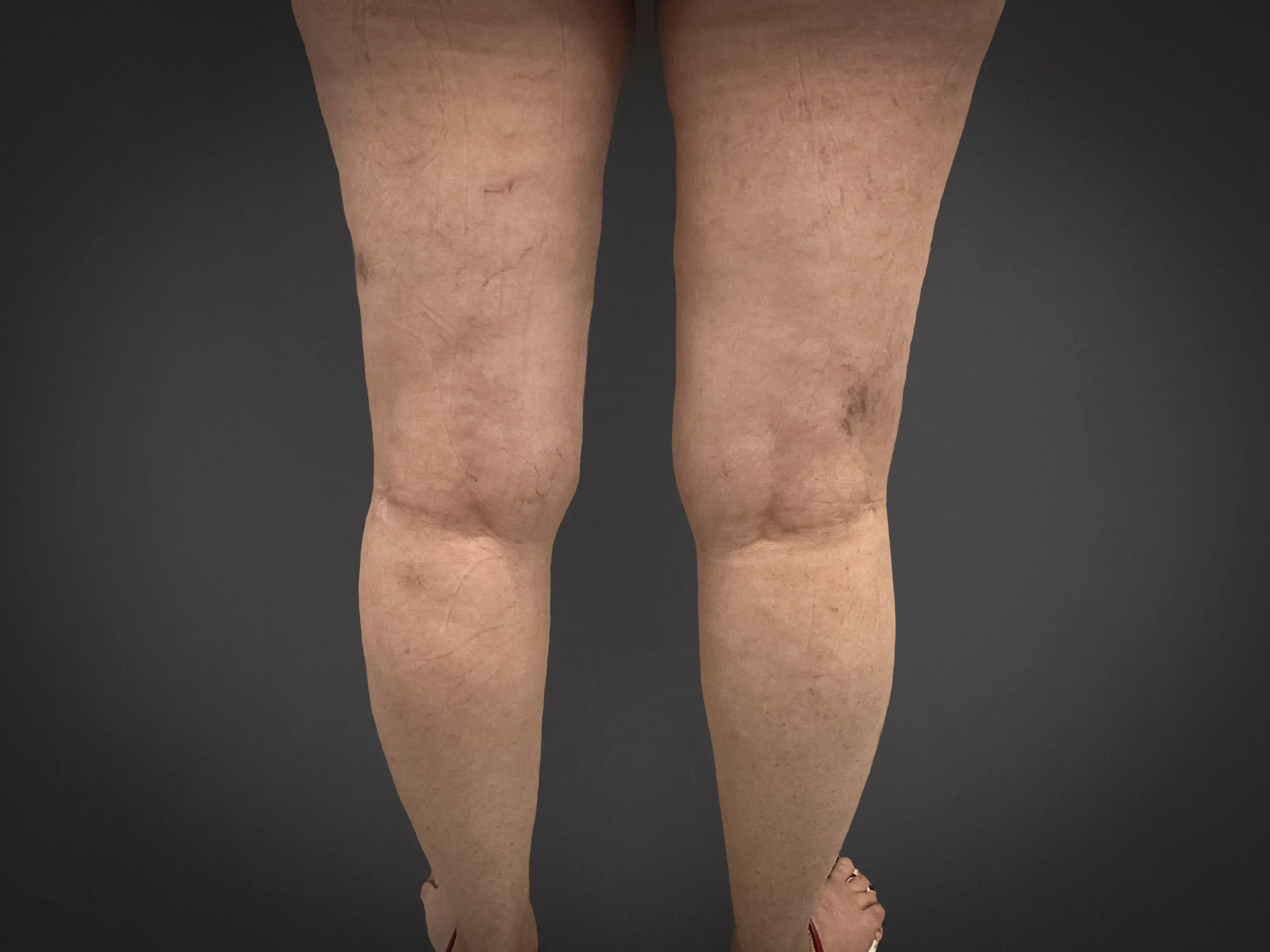

As we age, it’s common for spider veins to make an unwelcome appearance on our legs, affecting approximately 30% of adults. These tiny yet visible blood vessels can cause self-consciousness and discomfort, leading many to believe they’re simply an inevitable part of the aging process. However, the good news is that we don’t have to resign ourselves to living with them. There are effective methods available to diminish or eliminate spider veins, restoring confidence and smoothness to our legs.
How do we get visible leg veins?
Varicose and spider veins develop when the valves within our veins lose their strength. Ordinarily, these valves play a crucial role in guiding blood flow toward the heart. However, when they weaken, blood may flow backward, leading to vein enlargement. This increased pressure weakens the vein walls, causing them to protrude and resulting in the appearance of varicose or spider veins.
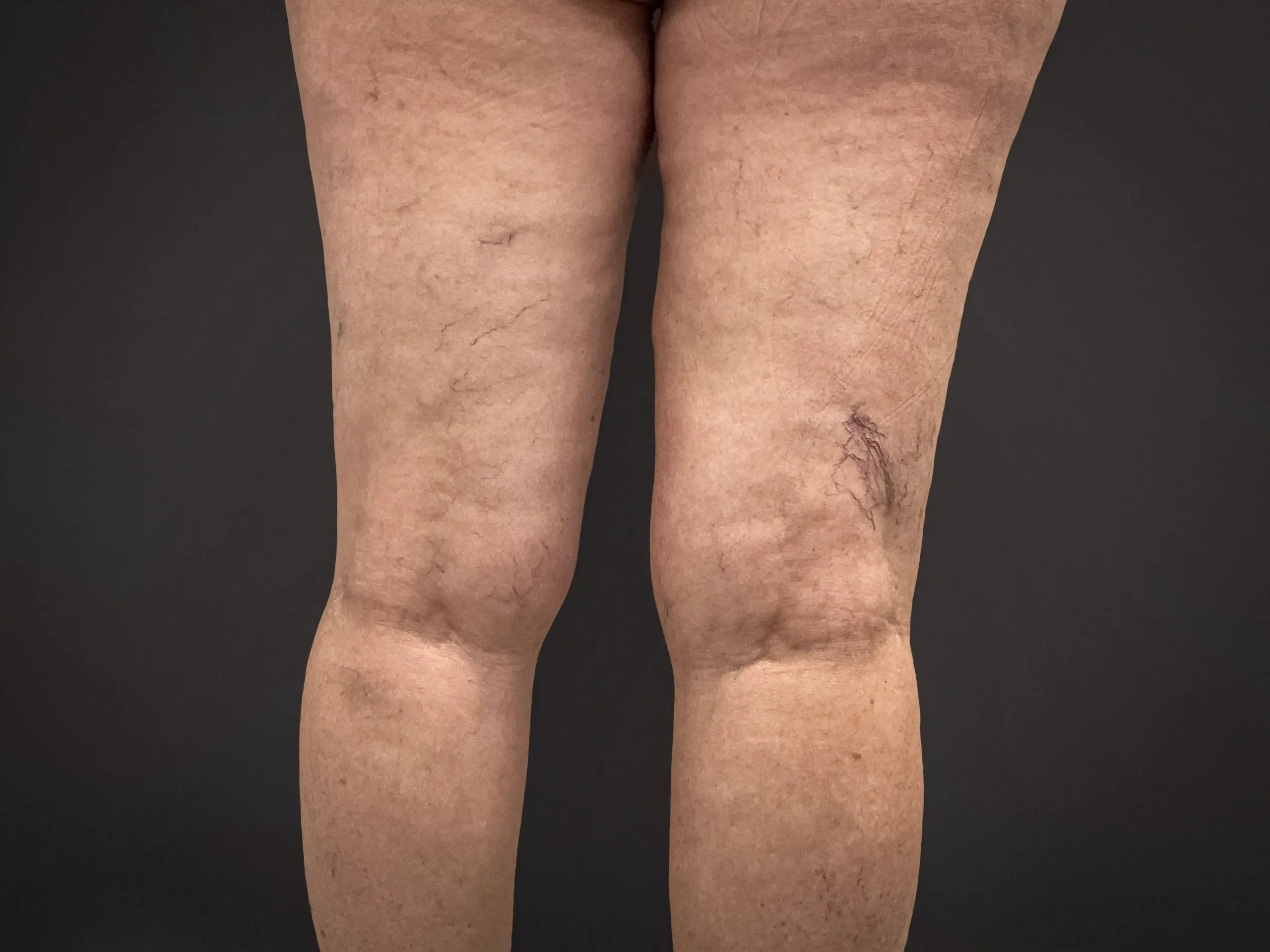
What are the causes of spider veins?
Now that we understand how varicose and spider veins form, let’s delve into the factors that contribute to their development. While aging certainly plays a role, several other factors can increase the likelihood of experiencing these visible veins. By identifying and understanding these causes, we can take proactive steps to minimize their impact and maintain healthier legs.
Weakened Vein Walls
Spider veins form when the walls of the veins weaken, causing them to dilate and become visible beneath the skin. This weakening can occur due to genetic predisposition, age, or hormonal changes.
Hormonal changes
Fluctuations in hormone levels, such as those experienced during puberty, pregnancy, or menopause, can contribute to the development of spider veins. Estrogen, in particular, is known to weaken vein walls.
Prolonged Standing or sitting
Jobs or activities that involve prolonged periods of standing or sitting can increase pressure on the veins in the legs, leading to the development of spider veins. This is because standing or sitting for extended durations hampers proper blood circulation.
Obesity
Excess weight can put additional strain on the veins, leading to vein damage and the formation of spider veins. Obesity can also increase the risk of developing conditions like varicose veins, which are often associated with spider veins.
Sun exposure
Chronic exposure to ultraviolet (UV) radiation from the sun can damage the skin and blood vessels, contributing to the development of spider veins, especially in areas of the body frequently exposed to sunlight.
Genetics
Family history plays a significant role in predisposing individuals to spider veins. If close relatives have spider veins, there is an increased likelihood of developing them.
Trauma or Injury
Injuries to the skin or underlying blood vessels, such as bruises or surgical procedures, can damage veins and lead to the formation of spider veins in the affected area.
Liver disease
Certain liver conditions, such as cirrhosis, can disrupt normal blood flow and contribute to the development of spider veins.
How to treat spider veins?
Here are a few easy self-care tips you can try at home to improve your circulation and potentially prevent varicose veins:
- Exercise regularly: Physical activity boosts blood flow throughout your body, which can help prevent vein issues.
- Elevate your legs: Taking breaks to elevate your legs can relieve pressure on the veins and promote healthy circulation.
- Avoid long hot baths: While relaxing, soaking in hot baths for extended periods can dilate veins, so it’s best to keep it short.
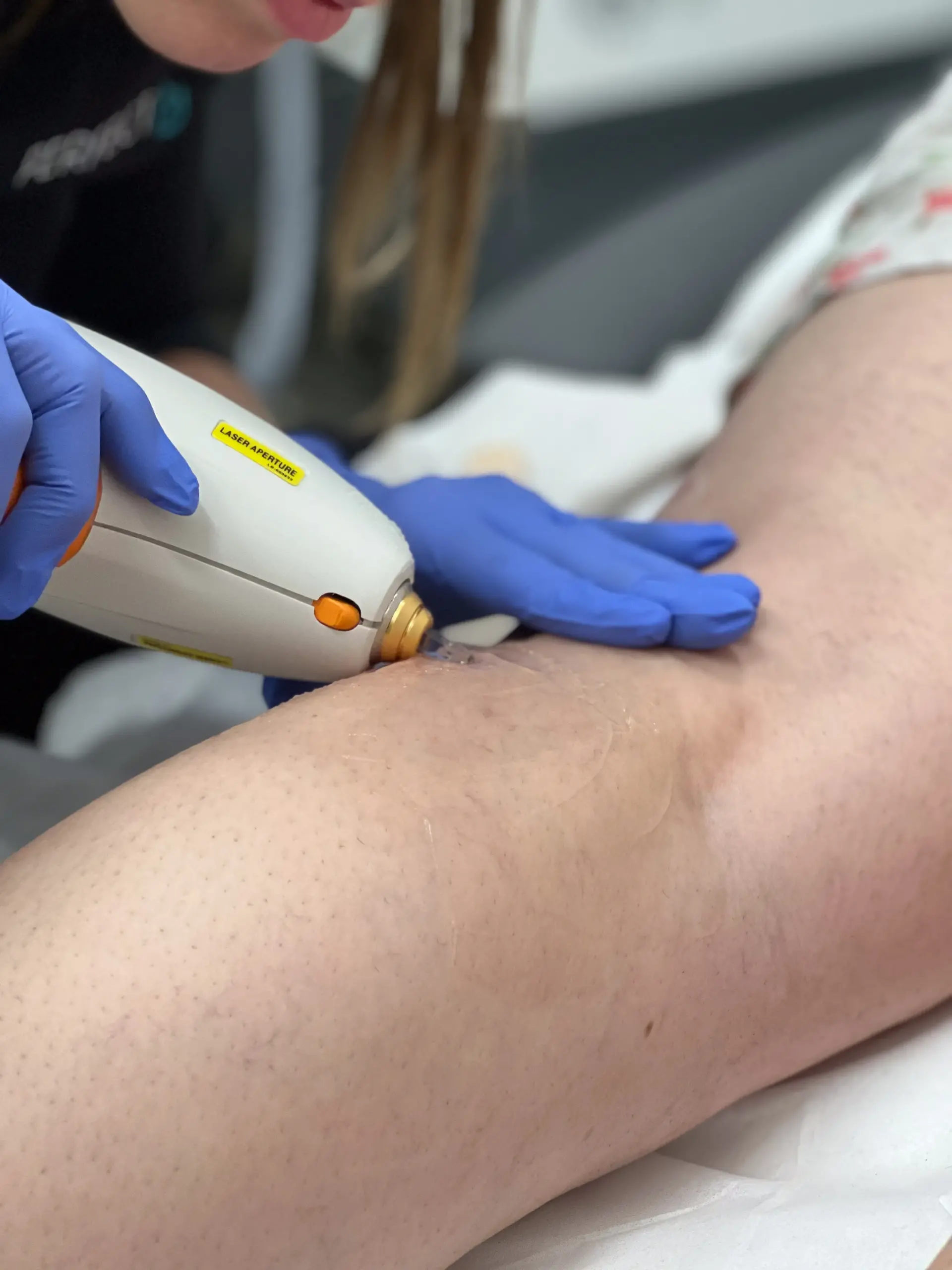
While these tips can be beneficial in preventing varicose veins, it’s important to note that they may not eliminate existing ones. Laser therapy or laser vein removal is a non-invasive way to help treat and eliminate present spider veins.
Laser therapy
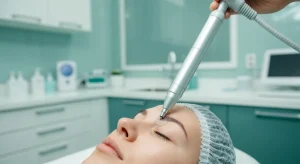
During the treatment process of how to get rid of the veins on your legs, a specialized laser emits targeted light energy onto the affected veins. This energy heats and damages the vein walls, causing them to collapse and eventually fade from view. Laser therapy is considered a safe and effective method for treating spider veins, with minimal discomfort and downtime. Multiple sessions may be required to achieve optimal results, depending on the severity of the condition.
What happens after the session?
After the laser therapy session, the treated spider veins may initially appear darker or more pronounced, and there might be some mild redness or swelling in the treated area. However, these side effects typically subside within a few days to a week. Over the following weeks and months, the body’s natural healing processes work to break down and absorb the damaged vein tissue. As a result, the appearance of the spider veins gradually diminishes, and the treated area becomes smoother and less noticeable. Multiple treatment sessions may be necessary to achieve optimal results, depending on the extent of the spider veins and individual response to the therapy.
What’s my next step?
If you’re ready to take the first step towards smoother, vein-free legs, consider exploring laser therapy as a viable option. Schedule a consultation with a qualified healthcare provider to learn more about how to get rid of the veins on your legs and embark on the journey towards achieving the smoother, more confident legs you desire.