
Perfect B, Doral Fl. | 07.28.25 | 5 min read.
Proper after care for botox plays a vital role in ensuring you achieve the best results possible. Whether you’re a first-time patient or a Botox regular, understanding what to do and what to avoid helps minimize complications and enhances results.
➔ Curious about how Botox works at a muscular level? Explore our Neurotoxin Treatment page to learn more about how the product interacts with facial movement
Why After Care for Botox Matters
Botox is a safe, effective treatment for reducing facial lines, but your after care for botox routine directly impacts how well it works. The first 24 to 48 hours post-injection are especially important to avoid common side effects and to support optimal settling of the product into your facial muscles.
This guide includes expert-backed botox instruction to help you make the most of your results while avoiding the pitfalls that can lead to botox going wrong. Many providers also encourage enrolling in a botox savings program to receive consistent care and maximize value.
After care for botox is essential because it gives the product time to find its place and work effectively. If the product shifts before it sets, it may affect how evenly or successfully it works. Proper aftercare helps ensure the results appear just where you want them.
What to Do After Botox Injections
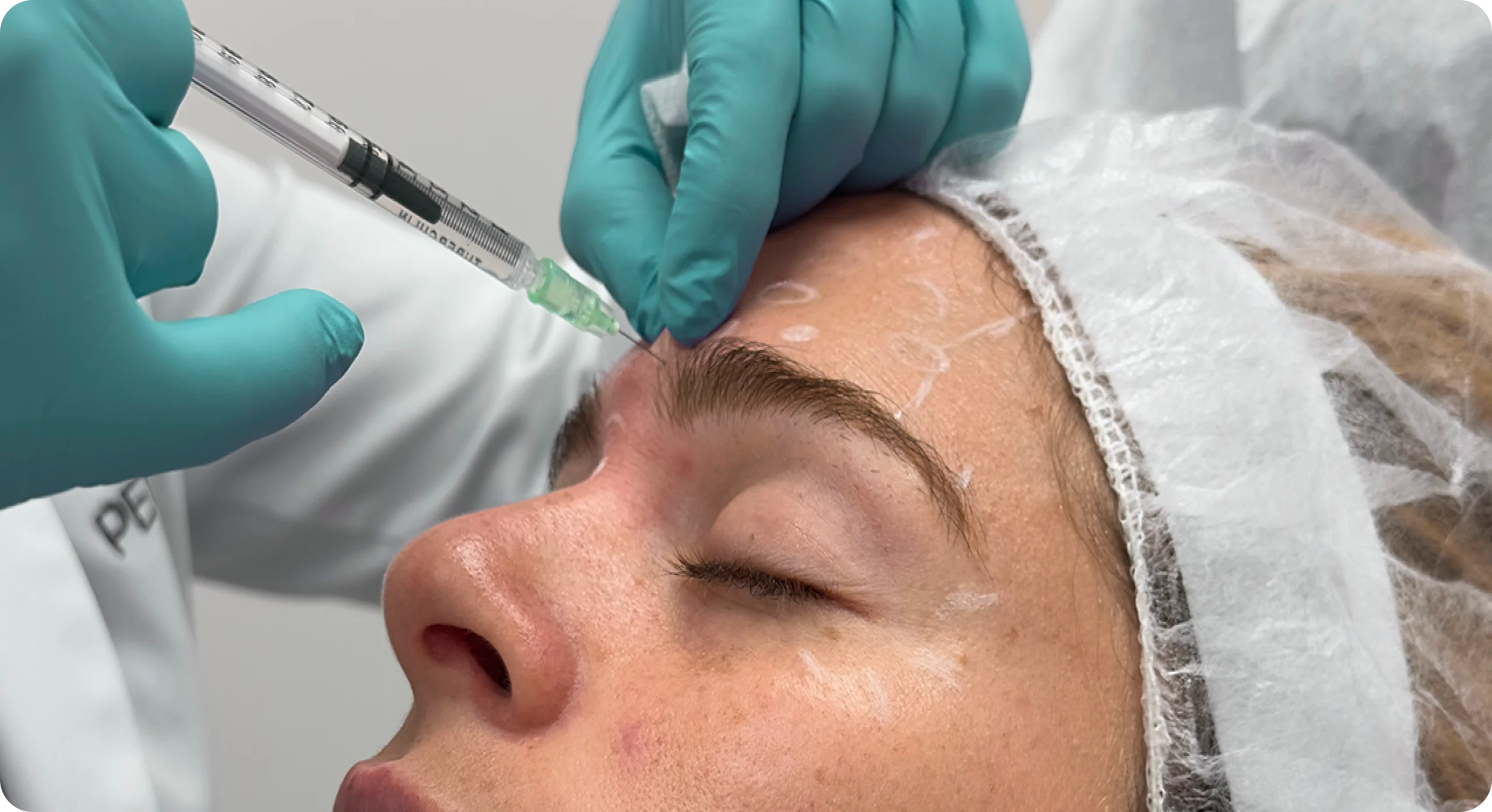
Following the right post-procedure actions can help speed recovery and support your aesthetic goals.
- Sit upright for the first few hours
- Stay hydrated and well-rested
- Use a cold compress for mild swelling
- Gently move your face with light expressions like smiling, raising eyebrows, and frowning
After getting Botox, it’s best to keep your routine simple. Stay upright for about 4 hours, avoid touching or rubbing the treated area, and skip makeup for the rest of the day. Let your face rest. Avoid facials, massages, or tight hats that press on your forehead. Give the Botox time to settle in peacefully.
➔ For an overview of how neurotoxins fit into your aesthetic care plan, read about the safety and application zones on our Neurotoxin Treatment page.
Why Aftercare Matters for Your Results
Aftercare supports both the accuracy and longevity of results. Botox can shift if exposed to pressure or movement too soon. Avoiding excess activity ensures the product stays in the intended area.
What NOT to Do After Botox
Let’s clear up the confusion about what not to do after botox. While you can return to most daily activities, avoid anything that could cause the Botox to move or irritate the area.
- Avoid massaging or rubbing your face for at least 4 to 6 hours
- Skip facials or exfoliating treatments for 24 hours
- Don’t wear tight headwear or apply makeup vigorously
- No alcohol or blood-thinning medication on the day of treatment
- Stay upright for at least 4 hours
Avoid rubbing your face, lying down flat, intense workouts, or using heat-based treatments like saunas for 24 hours. Also, avoid alcohol that day, it can cause bruising. These simple steps help your results stay smooth and natural.
➔ Want an in-depth breakdown of zones to avoid post-injection? Our full Neurotoxin Treatment overview includes practitioner guidance.
After Care for Botox and Exercise
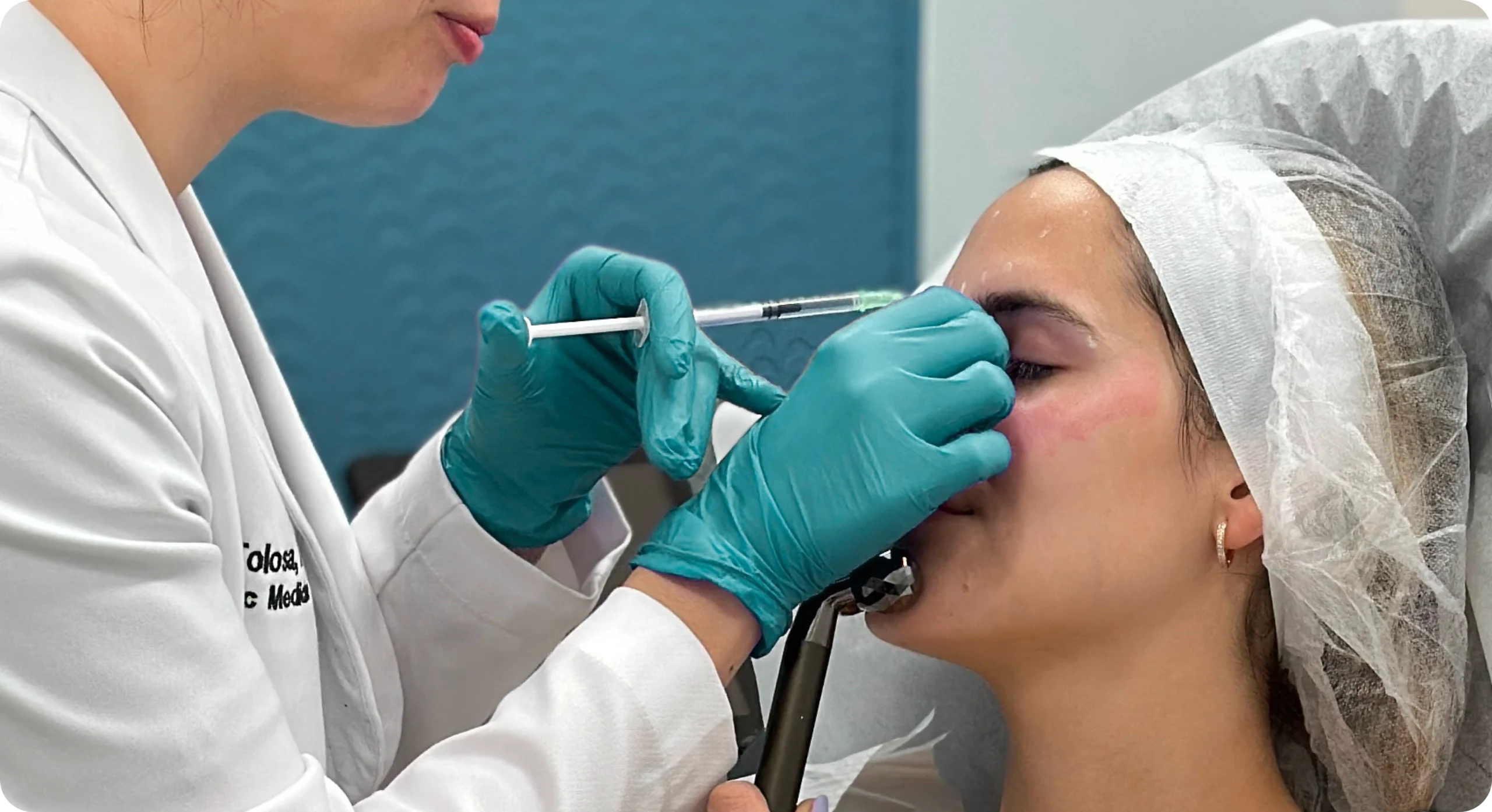
How Soon Can You Exercise After Botox?
Many patients ask, “Should you workout after botox?” or “Should you exercise after botox?” The answer depends on the type of activity.
Facial movements that may help:
- Smiling
- Frowning
- Raising eyebrows
What Type of Exercise Is Safe?
Gentle movement such as walking or stretching is safe after 24 hours. Still, listen to your body. If it feels like too much or stresses your facial muscles, wait another day.
Can I Sleep After Botox?
Rest is essential, but your sleeping position matters. Avoid lying flat or on your face for at least 4 hours post-treatment. Try sleeping on your back the first night to reduce pressure on the injection areas.
Can I Sleep After Botox?
Rest is essential, but your sleeping position matters. Avoid lying flat or on your face for at least 4 hours post-treatment. Try sleeping on your back the first night to reduce pressure on the injection areas.
Makeup and Skincare After Botox
Skip makeup and harsh skin treatments for 24 hours. Avoid facials, retinoids, or scrubbing. After one day, ease back into your routine with clean brushes and mild products.
➔ Start your personalized regenerative journey today.
Travel and Flying After Botox
While not strictly prohibited, flying within 24 to 48 hours can affect your results due to pressure changes. It’s best to stay hydrated and delay flying until at least the next day.
Facials and Massages After Botox
Avoid facials or massages for 3 to 4 days on treated areas. Too much pressure can interfere with Botox placement. Wait at least a week before scheduling spa treatments.
What If My Results Aren’t What I Expected?
Botox results typically appear between 3 to 7 days. If results look uneven or underwhelming after two weeks, contact your provider. Follow-up treatments may help.
Relax, hydrate, and be patient. Follow your provider’s advice, avoid the common “don’ts,” and schedule a follow-up visit. At Perfect B, we encourage check-ins to make sure you’re happy with the outcome.
How to Choose the Right Provider
Your Botox outcome starts with the right injector. Look for training, experience, and results that match your expectations.
Avoid undertrained injectors who may contribute to botox going wrong cases. Trusted providers often offer options like the botox savings program to maintain results affordably.
➔ Want an in-depth breakdown of zones to avoid post-injection? Learn what separates expert injectors on our Neurotoxin Treatment page.
Common Side Effects and What to Expect
Botox is generally well tolerated, but minor side effects can occur:
- Redness or swelling at the injection site
- Mild headache
- Bruising
Occasionally, more noticeable effects like uneven results or heavy eyelids happen. These may signal the Botox didn’t settle as intended. If something doesn’t feel right, reach out. We’re here to guide you.
When to Contact Your Provider
Seek help if you experience:
- Difficulty swallowing or speaking
- Severe headache or blurry vision
- Any signs of allergic reaction
Though rare, these issues require prompt attention.
(…) See this guide on when to seek medical attention after neurotoxin treatments.
Tips to Maximize Your Results and Savings
To extend your results, maintain regular appointments and consider joining a botox savings program. Programs like Allē help reduce treatment costs and reward patient loyalty.
Providers may also offer bundle packages for common areas like crow’s feet or forehead lines.
Final Takeaway: Smart Aftercare = Better Results
Following proper after care for botox instructions supports better outcomes and shortens recovery.
And if you’re wondering how long the effects last, botox before and after comparisons often show visible improvements starting within a week and lasting up to four months.
➔ For more recovery FAQs and results, check out our Neurotoxin Treatment FAQ page.
Book your next session with a trusted provider to make every Botox treatment count!