

Perfect B, Doral Fl. | 02.10.26 | 5 min read.
Why this phase can feel like your body changed overnight
If you are in your 40s or early 50s and your weight is shifting, especially around the waist, you are not alone. Many patients describe perimenopause as a second puberty in women. In clinical practice, this stage is one of the most common triggers of hormonal imbalance weight gain that feels sudden and resistant. Appetite, sleep, cycles, and body composition can change quickly even when your routine stays the same. That is why searches like hormonal imbalance weight gain, weight gain from hormonal imbalance, perimenopause and irregular periods, and hormonal treatment to lose weight show up so often when symptoms overlap.
This article explains why menopause weight gain is biologically different, what GLP 1 therapy can realistically do, and how to think about hormone care and peptides without falling into hype.
➔ If you want a menopause focused plan for hormonal imbalance weight gain and weight gain from hormonal imbalance, visit our Weight Loss Treatment Plan Page to see how we combine GLP 1 therapy, nutrition targets, and muscle protection.
Why menopause weight gain feels different and why calories math stops working

Menopause and perimenopause change physiology before weight changes become visible. Declining estrogen, rising cortisol, and a gradual metabolic slowdown alter insulin sensitivity, muscle mass, fat distribution, and even hunger cues. This is why strategies that worked for years suddenly stop working. It is not a failure of effort. It is a biological shift that sets the stage for persistent hormonal imbalance weight gain. Menopause related weight gain is rarely just about willpower. In many cases it reflects hormonal imbalance weight gain driven by changing estrogen patterns, insulin sensitivity, and stress hormones. The most common drivers we see in clinic include:
- Insulin resistance: the same meal can trigger a higher glucose and insulin response.
- Visceral fat shift: more central storage and a rise in waist size even if the scale changes slowly.
- Sleep and cortisol disruption: fragmented sleep can raise cravings and reduce recovery.
- Muscle drift: less muscle can lower baseline energy needs and make plateaus more common.
This is the part many people miss when they are trying to solve weight loss hormone imbalance problems with more cardio. If you are losing weight with hormonal imbalance, your plan should usually protect muscle and improve sleep while addressing metabolic signals. That is also why many patients ask about hormonal treatment to lose weight, hormonal weight loss treatment, and whether weight gain from hormonal imbalance can be reversed safely. The truth is that results usually come from a coordinated plan rather than one single lever.
What are GLP 1 medications: a clear clinical explanation
From a clinical perspective, GLP 1 therapy is one targeted tool within a broader hormonal landscape. These medications can be powerful for appetite control and glucose regulation, but they do not correct every hormonal disruption driving weight gain from hormonal imbalance. That distinction is critical when treating menopausal patients.
GLP 1 medications are prescription therapies that help regulate appetite and satiety, and improve glucose signaling. For patients struggling with hormonal imbalance weight gain, this mechanism can address signals that lifestyle changes alone do not fully correct. Many patients notice a reduction in food noise, easier portion control, and fewer spikes in hunger. In perimenopause and menopause, this can be especially helpful because the body can become more sensitive to sleep loss, stress, and insulin swings.
How GLP 1 therapy works
GLP 1 therapies influence fullness signals, slow gastric emptying for many patients, and can improve glucose control. In real life, that often means fewer cravings and more consistency with nutrition.
Who may benefit and who should avoid it
People who have gained weight despite structured lifestyle efforts, or who have metabolic risk factors, may be candidates. People with certain contraindications, medication interactions, or poorly controlled symptoms need a careful review. GLP 1 therapy is not a shortcut. It works best with monitoring, nutrition planning, and a muscle protection strategy.
Menopause, fat distribution, and metabolic signals
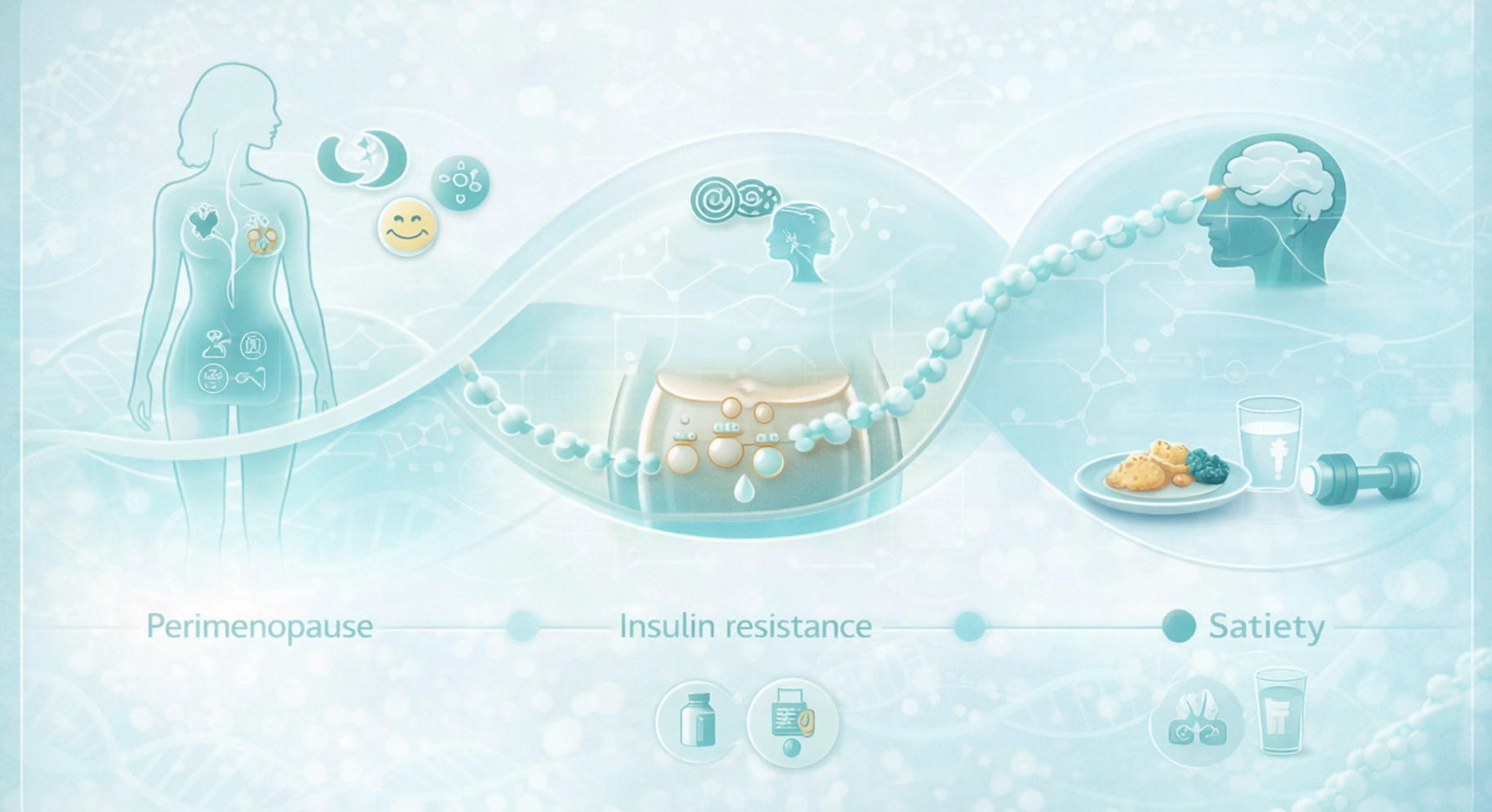
Perimenopause often changes where fat is stored. This shift is closely linked to weight gain from hormonal imbalance and often appears alongside perimenopause and irregular periods. Waist size may rise even if body weight moves slowly. That is why menopause belly changes feel different than earlier weight changes. You may also see shifts in energy, mood, and sleep.
It is common to see questions online about estrogen to lose weight, estrogen weight loss, and whether a hormonal treatment to lose weight can directly fix hormonal imbalance weight gain. Clinically, estrogen is not prescribed as a weight loss drug. Hormone care is about symptom relief and risk benefit decisions, not a guarantee of fat loss. However, when sleep improves and hot flashes calm down, many patients find it easier to keep consistent routines.
A clinic note that matters: If appetite drops on GLP 1 therapy, protein and strength training become even more important so weight loss is not mostly muscle.
What the research suggests about GLP 1 results in menopause
This section is written in the style of clinical research reporting to support trust and clarity.
Research background
GLP 1 class medications have a growing evidence base for weight reduction and cardiometabolic risk improvement. Some analyses examine outcomes across reproductive stages.
What researchers study and how
Studies typically measure changes in body weight, waist circumference, metabolic markers, side effects, and adherence. Some compare outcomes across groups defined by age or menopause status.
Key findings in plain language
Many studies show meaningful average reductions in weight and waist measurements. Some data suggest women in menopause can benefit comparably to younger women when dosing, nutrition, and follow up are well managed. Individual response still varies.
Clinical implications
The real goal is not only an initial drop on the scale. The goal is a plan that supports muscle, sleep, and maintenance. A good program includes dose titration, symptom checks, nutrition targets, movement, and a realistic long term strategy.
What we still do not know and why it matters in perimenopause
One research driven concern is that perimenopausal women can be underrepresented. This matters because perimenopause and irregular periods often coexist with hormonal imbalance weight gain, yet are not always analyzed together. in some clinical data sets, even though symptoms and cycle variability are intense in this stage. That is why we avoid overpromising and focus on personalization.
Psychosocial impacts and the reality of discontinuation
Real life affects adherence. Side effects, cost, stress, travel, and family demands can all change whether someone stays on therapy. If a patient stops medication and weight returns, it can feel discouraging. Planning for strength, protein, sleep, and a step down maintenance approach can reduce weight cycling and frustration.
Quick language note: detriment define
Patients sometimes search detriment define when weighing pros and cons. In plain language, detriment means harm or negative impact. Our job is to reduce potential detriment through screening, slower titration when appropriate, side effect management, and monitoring.
GLP 1 therapy and hormone therapy: can they work together
In clinical practice, the most effective outcomes often come from layered strategies rather than isolated treatments. Hormonal shifts affect metabolism long before weight changes become obvious, which is why addressing estrogen decline, cortisol elevation, and metabolic slowdown matters alongside appetite regulation.
People exploring hormonal treatment to lose weight often want a single answer. In reality, addressing hormonal imbalance weight gain usually requires layered care rather than a single prescription. Clinically, hormone therapy discussions are centered on symptom relief, quality of life, and risk assessment. Hormone therapy is not prescribed as a fat loss medication.
That said, there are scenarios where coordinated care can help. When symptoms like hot flashes and sleep disruption improve, patients often have more capacity for consistent nutrition and strength training. This can make a GLP 1 program easier to follow.
If you see products marketed as a hormone balancing weight loss supplement, be cautious. If your goal is to rebalance hormones for weight loss, the safer approach is clinician guided evaluation. Supplements can interact with medications and may not address the root problem.
Side effects, safety, and how we reduce risk
From a provider standpoint, safety and outcomes must guide every decision. Menopausal patients require careful screening, individualized dosing, and ongoing monitoring to reduce the risk of muscle loss, nutritional deficiencies, or unintended hormonal suppression. Common side effects can include nausea, constipation, reflux, or a reduced appetite that unintentionally lowers protein intake. Side effects are often dose related and manageable with education and follow up.
Muscle protection strategy
Muscle protection is a cornerstone of safe weight loss during perimenopause and menopause.
- Use follow ups for dose adjustments and symptom checks.
- Aim for protein targets you can maintain.
- Use resistance training at least two or three days per week.
- Prioritize sleep routines and stress regulation.
- Keep hydration and fiber consistent.
What about peptides for weight loss and how to compare them responsibly
In our clinical model, peptides are not positioned as replacements for GLP 1 therapy, but as potential supportive tools. Certain peptides may help support growth hormone signaling, insulin sensitivity, or metabolic flexibility. This is why patients asking what are peptides for weight loss are often evaluating how peptides fit alongside GLP 1 therapy when hormonal imbalance weight gain is the core issue. Search demand is huge for peptides to lose weight, especially among patients already dealing with weight gain from hormonal imbalance and stalled progress., peptides for losing weight, peptides for fat loss, weight loss peptides, and best peptides for weight loss. The challenge is that the word peptides is an umbrella term. Some options are clinician supervised. Many others are marketing driven.
What are peptides for weight loss
When patients ask what are peptides for weight loss, they are often comparing options for hormonal imbalance weight gain and wondering how peptides differ from GLP 1 therapy., they may mean a clinician guided option sometimes described as peptides therapy. Others use terms like regen therapy or regeneration therapy. The label does not guarantee evidence, safety, or appropriateness.
Oral versus injections and the problem with best claims
People also search oral peptides for weight loss and peptide injections for weight loss. Delivery method affects absorption and the evidence base. If you are shopping for fat burner peptides, the best fat burning peptide, best peptides for fat loss, or best peptides for weight loss, pause and ask questions.
- What is the evidence quality
- Is the product regulated and sourced appropriately
- What are the known risks for you
- How will you be monitored
A careful clinic approach may include discussing alternatives, focusing on lifestyle foundations, and choosing therapies with clearer safety pathways.
Meaning of regenerative
Patients sometimes ask the meaning of regenerative in this context. Regenerative generally refers to restoring tissue function. In weight care it is often used loosely. In clinic we keep language precise and prioritize interventions with clear monitoring.
What about peptides for weight loss and how to compare them responsibly
In our clinical model, peptides are not positioned as replacements for GLP 1 therapy, but as potential supportive tools. Certain peptides may help support growth hormone signaling, insulin sensitivity, or metabolic flexibility. This is why patients asking what are peptides for weight loss are often evaluating how peptides fit alongside GLP 1 therapy when hormonal imbalance weight gain is the core issue. Search demand is huge for peptides to lose weight, especially among patients already dealing with weight gain from hormonal imbalance and stalled progress., peptides for losing weight, peptides for fat loss, weight loss peptides, and best peptides for weight loss. The challenge is that the word peptides is an umbrella term. Some options are clinician supervised. Many others are marketing driven.
Perimenopause symptoms that often show up alongside weight gain
Weight change rarely happens alone. In many cases, perimenopause and irregular periods appear alongside hormonal imbalance weight gain, fatigue, and sleep disruption. Many patients also report cycle shifts such as irregular periods and perimenopause, irregular cycles perimenopause, perimenopause and irregular periods, and irregular menstruation menopause.
Changes in bleeding: what can be common and what needs evaluation
In perimenopause, you might see heavy periods in perimenopause, skipped cycles, shorter cycles, or longer cycles. Some people also search irregular periods and menopause.
Spotting is another frequent concern. You may see spotting in perimenopause, spotting perimenopause, perimenopause spotting between periods, and perimenopause and spotting between periods. Spotting can be benign, but persistent spotting or heavy bleeding should be evaluated. Searches like perimenopause bleeding for 3 weeks signal that many patients need clear guidance.
Timing worries are also common. People search period late perimenopause, menstruation late for 2 days, and 2 weeks late menstruation. If delays are repeated, symptoms are severe, or bleeding is heavy, it is time for a clinician visit.
Ovulation confusion
A frequent question is why am i not ovulating but having periods. In perimenopause, ovulation can be inconsistent. That can lead to period without ovulation signs and unpredictable cycle length.
Perimenopause or pregnancy
It can be hard to tell perimenopause or pregnancy without testing. If pregnancy risk exists, testing is the safest move. It is also common to wonder can perimenopause woman get pregnant. It can be possible until menopause is confirmed.
Signs you may be approaching the end of perimenopause
People search signs of end of perimenopause and signs perimenopause is ending. There is no single checklist, but patterns often include longer gaps between periods and eventually cessation of bleeding.
Symptom note
Some patients notice night sweats before period. That can be part of the transition and a reason to discuss symptom management and sleep support.
FAQs: Navigating Peptides and Menopause
These questions reflect the most common concerns we hear from patients navigating menopause related weight changes. The answers are grounded in clinical experience and current evidence, with a focus on sustainable outcomes rather than short term fixes. These are written as short answers that can be converted into FAQ schema and reinforce weight gain from hormonal imbalance, perimenopause and irregular periods, hormonal treatment to lose weight, and what are peptides for weight loss.
Q1: Can GLP 1 therapy help if I have weight gain from hormonal imbalance
Often yes for the right patient, especially when paired with strength training and adequate protein. GLP 1 therapy can be effective when weight gain from hormonal imbalance is the primary driver. A clinician should review medical history, labs, and goals first.
Q2: Should I use estrogen to lose weight
Estrogen is discussed for symptom relief and quality of life, not as a direct weight loss prescription. Hormone therapy decisions depend on symptoms and risk factors.
Q3: If I am looking into peptides for fat loss, what is the safest first step
Start with clinician guidance, evidence review, and monitoring. Avoid buying based only on best claims.
Q4: How do I reduce the chance of regaining weight if I stop therapy
A maintenance plan matters. Prioritize protein, resistance training, sleep, and a realistic transition strategy. Follow up support improves long term stability.
Q5: Are peptides to lose weight effective for hormone-related weight gain?
A: Yes, especially when hormone imbalance is part of the problem. Hormone-related weight gain isn’t just about calories, it’s about miscommunication between the brain, fat tissue, and metabolism. Peptides can help restore that communication. They’re not magic, but when paired with proper nutrition, sleep, and hormone evaluation, they often make fat loss feel possible again instead of frustrating.
Q6: How are irregular periods and perimenopause linked to weight gain?
Irregular periods are one of the earliest signs that estrogen and progesterone are fluctuating. And the truth is, those fluctuations affect far more than the menstrual cycle. They influence insulin response, cortisol levels, and how efficiently your body uses energy. The result? Easier fat gain,especially around the abdomen,and slower fat loss, even if your habits haven’t changed.
Q7: How does hormonal imbalance weight gain occur in menopause?
As estrogen declines, the body becomes more insulin-resistant and less efficient at burning fat. Muscle mass may decrease, metabolism slows, and fat storage shifts toward the midsection. In addition, cortisol often rises, quietly encouraging fat retention. So the weight gain isn’t a lack of discipline, it’s a biological shift that requires a different strategy.
Q8: How does hormonal weight loss treatment differ from GLP-1 therapy?
Hormonal weight-loss treatment focuses on correcting the underlying imbalance, estrogen, progesterone, thyroid, cortisol, or growth hormone pathways. GLP-1 therapy, on the other hand, primarily works by reducing appetite, slowing gastric emptying, and improving insulin response. One addresses the root hormonal terrain; the other powerfully controls intake and glucose regulation. In many patients, they can be complementary rather than competing approaches.
A New Chapter in Women’s Health
The most meaningful outcomes are not just the number on the scale. They include improved body composition, preserved muscle, stable energy, metabolic health, and patients feeling like their bodies are finally working with them rather than against them. Menopause changes the signals that govern hunger, sleep, insulin response, and muscle. GLP 1 therapy can be a valuable tool for the right patient, but the clinical perspective is bigger than medication. Protect muscle, manage sleep and stress, and plan for maintenance.
If symptoms or cycles are changing at the same time, evaluate the whole picture. Effective care is not only about weight loss. It is about sustainable health with a plan you can live with.
Ready to optimize your health?
Ready to stop guessing? Book a consultation today to start your personalized Weight Loss Treatment Plan combining hormones and peptides.