
Perfect B, Doral FL. | 03.13.26 | 9 min read.
Medical Disclaimer: The following content is for educational purposes only and does not constitute medical advice. Peptide therapies should only be administered under the supervision of a licensed medical provider. Consult a qualified physician before starting any peptide protocol.
What Is the Wolverine Peptide?
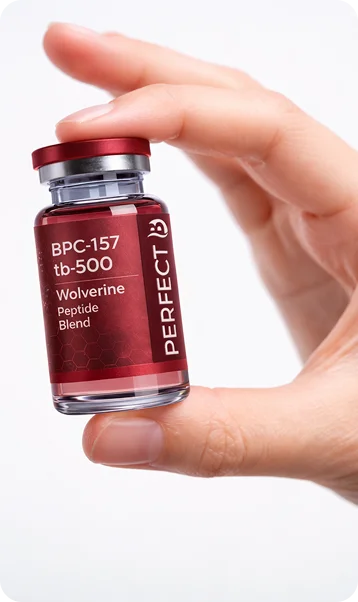
The wolverine peptide is not a single compound. It is a combination stack of two tissue-repair peptides: BPC-157 (Body Protection Compound-157) and TB-500 (Thymosin Beta-4). The name comes from the Marvel character Wolverine, whose defining trait is near-instant regenerative healing. The clinical rationale behind pairing these two peptides is that they target overlapping but distinct healing pathways, producing a synergistic effect that neither achieves alone.
This combination has gained traction in the biohacking community, among competitive athletes, and increasingly in regenerative medicine clinics. At medical practices in Miami and across South Florida, the wolverine peptide protocol is being used to address soft tissue injuries, post-surgical recovery, chronic inflammation, and accelerated wound healing.
The core appeal is specificity: rather than systemic anabolics or blunt anti-inflammatory drugs, this stack signals the body’s own repair mechanisms at the molecular level. Understanding what each peptide does, and why they work better together, is essential for evaluating whether this protocol is appropriate.
Key Takeaways
- Wolverine peptide defined: The term refers to the BPC-157 and TB-500 combination stack, named for the character’s regenerative healing capacity.
- BPC-157 mechanism: Targets localized tissue repair, tendon regeneration, angiogenesis, and gut mucosal healing with a strong preclinical safety record.
- TB-500 mechanism: Promotes systemic healing through actin regulation, stem cell mobilization, and anti-inflammatory cytokine signaling.
- Synergy: The combination covers both the localized repair signal and the systemic mobilization response, producing faster and higher-quality healing than either peptide alone.
- Clinical use: Supervised protocols at medical clinics involve subcutaneous injection over 4 to 8 weeks, with dosing individualized to injury type and severity.
What Is BPC-157 and Why Does It Heal Tissue So Effectively?
BPC-157 is a synthetic pentadecapeptide (15 amino acids) derived from a protective protein found in human gastric juice. The “body protection compound” designation reflects its originally studied role in gastrointestinal tissue protection, though its repair effects extend far beyond the gut.
The mechanism centers on several overlapping actions:
- Angiogenesis activation: BPC-157 upregulates VEGF (vascular endothelial growth factor), promoting the formation of new blood vessels that supply oxygen and nutrients to damaged tissue.
- Tendon and ligament fibroblast stimulation: The peptide accelerates fibroblast proliferation in connective tissue, which is critical for tendon and ligament healing where blood supply is already limited.
- Nitric oxide pathway modulation: BPC-157 activates nitric oxide synthesis, improving circulation and reducing the inflammatory cascade at injury sites.
- Gut mucosal repair: In the gastrointestinal system, BPC-157 promotes healing of ulcers, leaky gut, and mucosal damage. Relevant for patients whose systemic inflammation has a gut-driven component.
- Neuroprotective signaling: Emerging research points to BPC-157’s role in nerve regeneration and protective effects in the central and peripheral nervous systems.
A comprehensive review published in Current Pharmaceutical Design summarizing over two decades of BPC-157 preclinical research, covering musculoskeletal, gastrointestinal, and systemic healing outcomes, reinforces its consistent repair activity across tissue types. At Perfect B in Doral, FL, we evaluate BPC-157 candidates based on injury type, inflammatory markers, and overall health history before designing a protocol.
What Does TB-500 Add to the Wolverine Peptide Stack?
TB-500 is a synthetic version of Thymosin Beta-4, a naturally occurring protein encoded by the TMSB4X gene and present in virtually every cell in the human body. Its primary function is regulating actin, a structural protein essential to cell motility and tissue repair.
When the body is injured, Thymosin Beta-4 is upregulated at the site of damage. The synthetic version amplifies this response systemically, which is where it differs meaningfully from BPC-157. TB-500’s key mechanisms include:
- Actin sequestration: By binding G-actin (monomeric actin), TB-500 keeps it available for cell migration and wound repair rather than polymerizing prematurely into structural filaments.
- Systemic anti-inflammatory signaling: TB-500 downregulates inflammatory cytokines across multiple tissue types, including muscle, tendon, cardiac, and neural tissue.
- Stem cell mobilization: Research suggests TB-500 promotes the migration of stem and progenitor cells to injury sites, accelerating tissue rebuilding from the cellular level.
- Angiogenesis: Like BPC-157, TB-500 promotes new blood vessel formation, compounding the vascular support delivered to healing tissue.
- Cardiac and muscle regeneration: TB-500 has been studied for cardiac tissue repair following ischemic injury, pointing to broader systemic recovery potential beyond orthopedic applications.
Research published in the Annals of the New York Academy of Sciences confirming Thymosin Beta-4’s role in actin regulation, stem cell mobilization, and multi-tissue healing responses documents the systemic reach that makes TB-500 the ideal complement to BPC-157’s more localized action.
Why Combining BPC-157 and TB-500 Produces Better Results Than Either Alone
The wolverine peptide stack is not simply additive. The combination is synergistic because BPC-157 and TB-500 address complementary stages of the healing cascade:
- Phase 1, Inflammation (Days 1-5): TB-500 suppresses the inflammatory cytokine response while BPC-157 begins upregulating growth factor signaling at the injury site.
- Phase 2, Proliferation (Days 5-21): BPC-157 drives fibroblast proliferation and collagen synthesis. TB-500 continues mobilizing stem cells and supporting angiogenesis throughout the repair zone.
- Phase 3, Remodeling (Weeks 3-8): Both peptides contribute to extracellular matrix reorganization, reducing scar formation and improving the mechanical quality of repaired tissue.
The result is a faster transition through each healing phase and higher-quality repair, particularly for tissues with poor native blood supply like tendons, ligaments, and cartilage. For patients managing chronic tendinopathy, rotator cuff injuries, or post-surgical recovery in the Miami area, this dual-phase coverage is the primary clinical rationale for combining the two peptides rather than using either in isolation. Our Peptide Treatment Plan at Perfect B in Doral is designed around this evidence base.
What Conditions Does the Wolverine Protocol Target?
The BPC-157 and TB-500 stack is applied across a range of soft tissue, orthopedic, and systemic conditions:
- Tendon injuries: Achilles tendinopathy, patellar tendinitis, lateral epicondylitis (tennis elbow)
- Ligament sprains and partial tears: Partial ACL and MCL tears, chronic ankle instability
- Muscle strains: Grade I and II muscle tears, chronic strain patterns in athletes
- Post-surgical recovery: Accelerating tissue repair after orthopedic or general surgery
- Chronic systemic inflammation: Cases where persistent inflammatory signaling impedes normal tissue maintenance
- Gut-driven systemic inflammation: Situations where intestinal permeability contributes to systemic symptoms; BPC-157 addresses this at the mucosal level while TB-500 manages the downstream inflammatory response
Each application involves a different emphasis in the protocol design. Tendon injuries lean more heavily on BPC-157’s localized fibroblast signaling. Systemic recovery and post-surgical cases benefit more from TB-500’s broad mobilization effect. Protocols are not one-size-fits-all. See also our Scar Reduction Treatment Plan at Perfect B for post-surgical scar management that can run concurrently with a peptide healing protocol.
How Does the Wolverine Stack Compare to Standard Recovery Options?
Standard approaches for soft tissue injuries include NSAIDs, corticosteroid injections, physical therapy, and in severe cases, surgery. Each has documented limitations:
- NSAIDs: Reduce inflammation short-term but inhibit prostaglandin pathways needed for tissue repair. Long-term use may actually slow tendon healing at the cellular level.
- Corticosteroid injections: Effective for pain relief but associated with collagen fiber weakening and increased re-injury risk with repeated administration.
- Surgery: Indicated for complete structural tears but involves prolonged recovery, scar tissue formation, and variable long-term outcomes in chronic cases.
The wolverine peptide protocol does not replace surgical intervention when structurally required. What it offers is a biochemical environment that promotes genuine tissue repair rather than symptom management alone. It can serve as a standalone protocol for partial injuries, or as a perioperative adjunct to improve surgical outcomes and reduce recovery time. Some patients at our Doral clinic combine it with our NAD+ Treatment Plan at Perfect B to support cellular energy production during the repair cycle.
Wolverine Peptide Dosing: What Clinical Protocols Actually Look Like
Dosing in clinical settings varies based on injury severity, patient weight, and treatment goals. General protocols used in regenerative medicine practice:
- BPC-157: 200 to 500 mcg per day, subcutaneous injection near the injury site, 4 to 8 weeks
- TB-500 loading phase (Weeks 1-4): 2 to 5 mg twice per week
- TB-500 maintenance phase (Weeks 5-8): 2 mg once per week
- Route: Both peptides are administered via subcutaneous injection. BPC-157 can also be taken orally for gut-targeted applications; systemic tissue repair requires injection.
- Cycle length: 4 to 8 weeks for acute injuries; up to 12 weeks for chronic or post-surgical cases
These protocols must be supervised by a licensed provider who can adjust dosing based on clinical response, labs, and patient history. Protocols at Perfect B in Doral are individualized, not templated. The right dose for a 30-year-old athlete with an acute Achilles strain is different from the right dose for a 55-year-old patient in post-surgical recovery.
What Are the Side Effects of the Wolverine Peptide Stack?
The safety profile of both peptides is generally favorable in the available research. Reported side effects are typically mild and transient:
- BPC-157: Nausea (rare), mild fatigue in the first week, minor injection site redness
- TB-500: Mild lethargy during the loading phase, transient head rush immediately after injection, injection site discomfort
- Combined stack: No documented synergistic toxicity in preclinical or clinical observational data
The more significant risks relate to sourcing and administration rather than the peptides themselves. A large share of peptides sold online originate from manufacturers in China, Serbia, and Ukraine. The actual peptide content, purity, and handling conditions during shipping are unknown. Peptides degrade when exposed to incorrect temperatures or light. When a patient self-administers a product that was stored improperly or misdosed, the side effect profile changes entirely and not in a predictable way. This is a conversation we have regularly at our Doral clinic. Clinical administration uses pharmaceutical-grade compounds with documented purity certificates and proper cold-chain handling. That distinction is not a sales pitch. It is a material difference in what the patient is actually injecting.
Who Is a Good Candidate for the Wolverine Protocol?
The BPC-157 and TB-500 stack is best suited for:
- Athletes: Managing soft tissue injuries and wanting to accelerate return to training without compromising repair quality
- Post-surgical patients: Looking to improve tissue recovery quality and reduce scar formation
- Chronic tendinopathy patients: Who have not responded adequately to physical therapy alone
- Inflammation-driven conditions: Where systemic inflammatory signaling or gut permeability is part of the clinical picture
The protocol is not appropriate for patients with active cancer or cancer history (growth factor upregulation is contraindicated), autoimmune disease where immune modulation carries additional risk, pregnancy or breastfeeding, or those with compromised liver or kidney function. Patients already avoiding steroids due to hepatic or renal concerns should be evaluated carefully, as the combined metabolic load of an aggressive peptide protocol warrants individual assessment. An initial consultation establishes injury history, inflammatory markers, and organ function before any protocol is designed. Patients from across the Miami area and South Florida come to our Doral clinic specifically for supervised peptide protocols because the clinical oversight makes a material difference in both safety and outcomes.
Frequently Asked Questions
Q1: What exactly is the wolverine peptide?
The wolverine peptide is the informal name for a combination stack of BPC-157 (Body Protection Compound-157) and TB-500 (Thymosin Beta-4). The name references the Marvel character’s regenerative healing capacity. These two peptides target overlapping but distinct stages of the tissue repair process, making their combination more effective than either used alone.
Q2: Is the wolverine peptide stack safe?
Both BPC-157 and TB-500 have favorable safety profiles in preclinical research and clinical observational use. The primary risks are associated with unsupervised self-administration using unregulated research compounds. When administered in a clinical setting with pharmaceutical-grade peptides under medical supervision, the risk profile is substantially lower.
Q3: How long does it take for the wolverine peptide protocol to produce results?
Most patients notice reduced inflammation and improved function within 2 to 3 weeks. One of the earlier signs that the protocol is working is often unexpected: reduced bloating and improved gut comfort. BPC-157’s mucosal repair activity shows up in the gastrointestinal system quickly, and many patients who weren’t focused on gut issues report this as the first noticeable shift. Musculoskeletal improvements in strength, range of motion, and pain reduction typically follow over weeks 3 through 6. Full tissue remodeling for chronic injuries may take up to 12 weeks.
Q4: Can the wolverine protocol replace surgery?
For partial tears and chronic soft tissue injuries, the wolverine protocol can produce recovery outcomes that make surgery unnecessary. For complete structural tears, surgery remains indicated. The peptide stack can also be used perioperatively to improve surgical outcomes and reduce recovery time.
Q5: What is the difference between BPC-157 and TB-500 in the stack?
BPC-157 acts primarily at the local injury site, stimulating fibroblast proliferation, angiogenesis, and collagen synthesis. TB-500 acts systemically, mobilizing stem cells, suppressing inflammatory cytokines, and regulating actin for tissue remodeling. Together they cover both the localized and systemic dimensions of tissue repair.
Q6: Can the wolverine peptide stack be combined with other treatments?
Yes. NAD+ therapy is the most common adjunct we use alongside the wolverine stack. NAD+ supports cellular energy production and mitochondrial function during the repair cycle, which amplifies the tissue-rebuilding effects of BPC-157 and TB-500. PRP, physical therapy, and post-surgical care are also commonly layered in depending on the case. A supervising provider assesses compatibility with any concurrent treatments during the initial consultation. For patients interested in the cellular energy component, see our NAD+ Treatment Plan at Perfect B in Doral.
Q7: Where can I get the wolverine peptide protocol in Miami?
Perfect B in Doral, FL offers supervised peptide protocols including BPC-157 and TB-500 combinations. All protocols are administered under medical supervision with pharmaceutical-grade compounds and individualized dosing. See our Peptide Treatment Plan at Perfect B in Doral for details on what the consultation and protocol process involves.
Closing: The Clinical Bottom Line on the Wolverine Peptide
The wolverine peptide stack is not a shortcut. It is a biochemically rational protocol built on two peptides that address different phases of the same healing process. BPC-157 delivers the localized signal. TB-500 mobilizes the systemic response. Together they produce the kind of tissue repair outcomes that neither manages independently, and that standard anti-inflammatory approaches cannot replicate.
The difference between clinical results and disappointing ones comes down to sourcing, dosing, and supervision. Pharmaceutical-grade compounds, individually dosed protocols, and a supervising provider who can adjust based on your response are not optional extras. At Perfect B in Doral, FL, that is how every peptide protocol is built. If you are managing a real injury or a real recovery goal, that is the version of this protocol worth having.
📍 Visit us at Perfect B, Doral FL
📞 Call or message us today to schedule your consultation