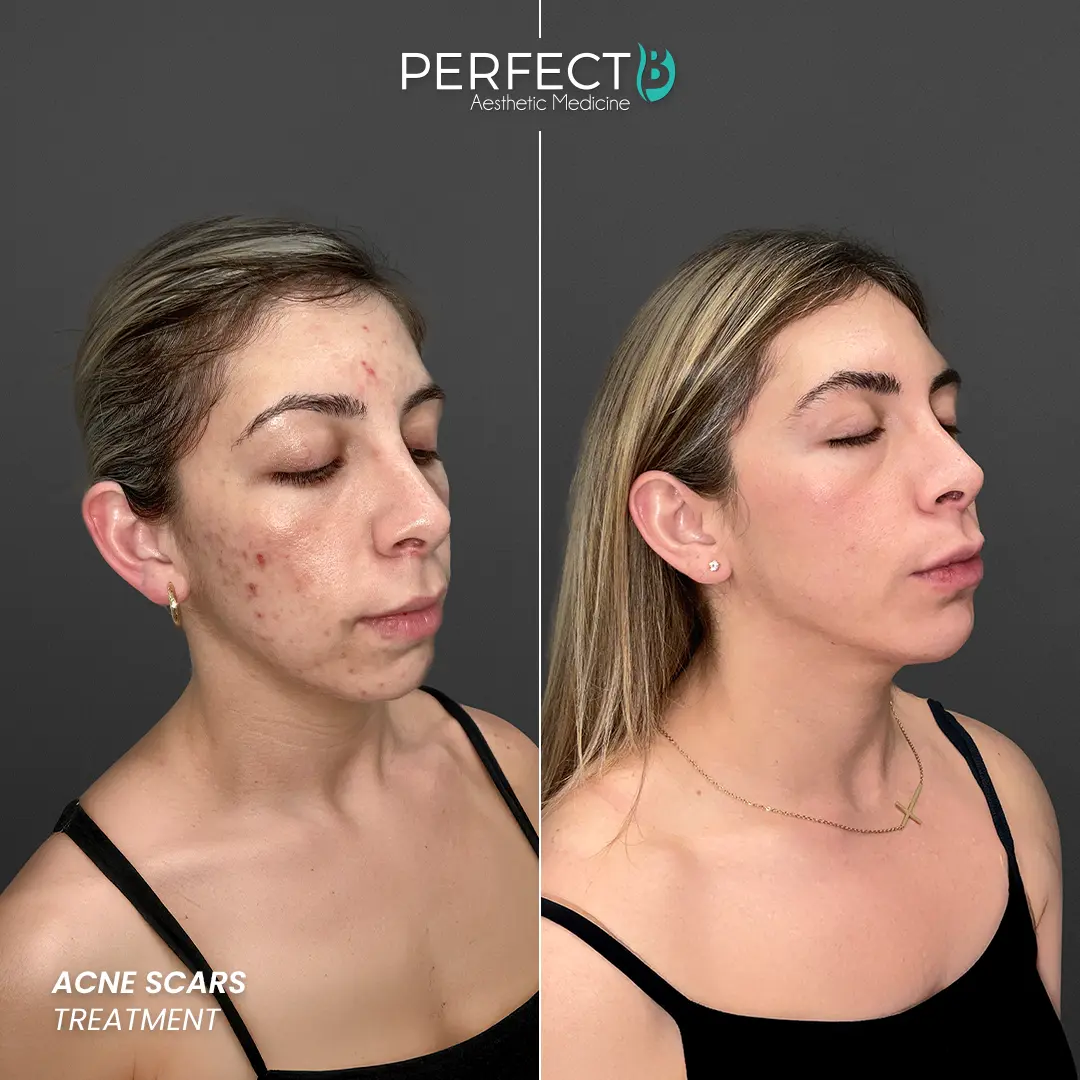
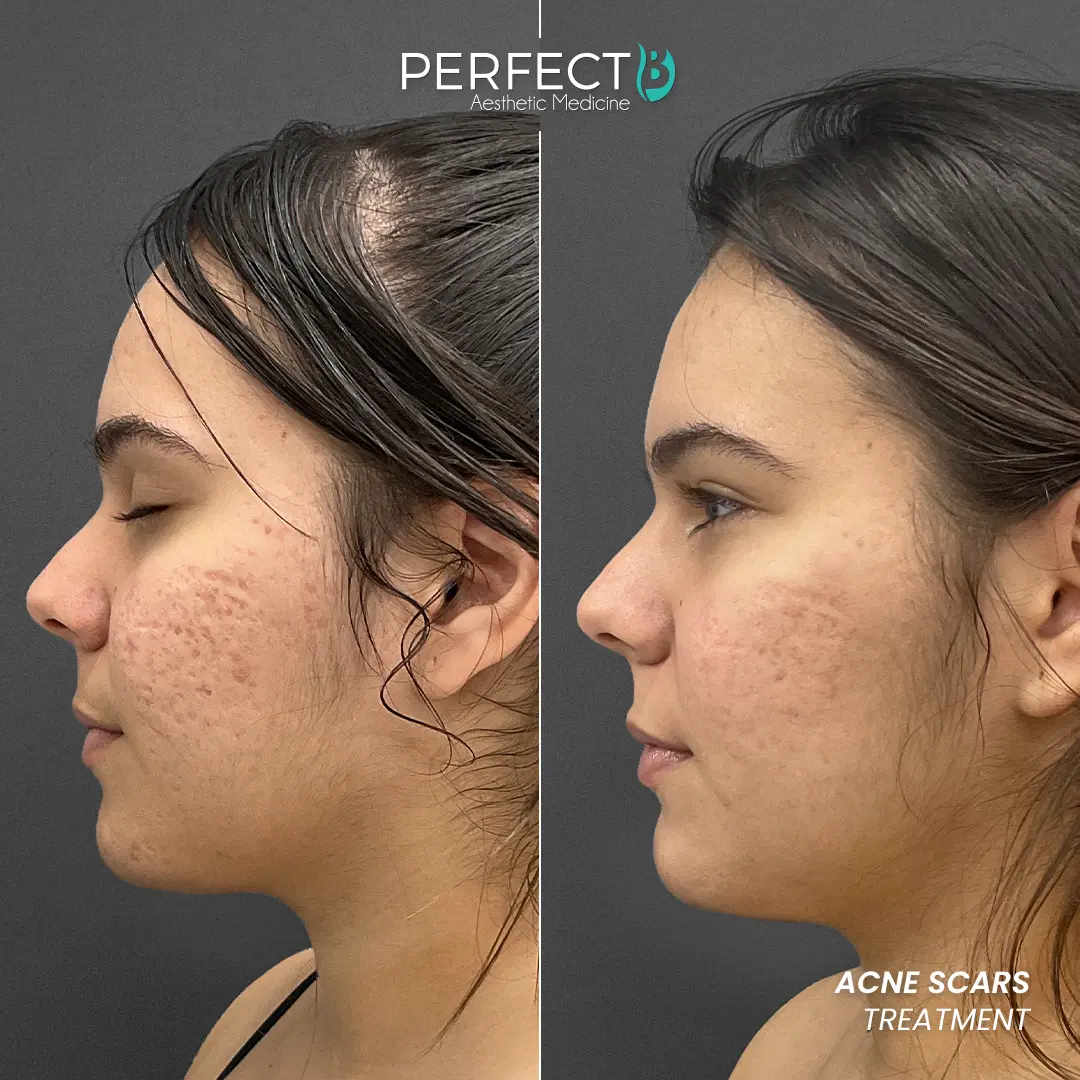
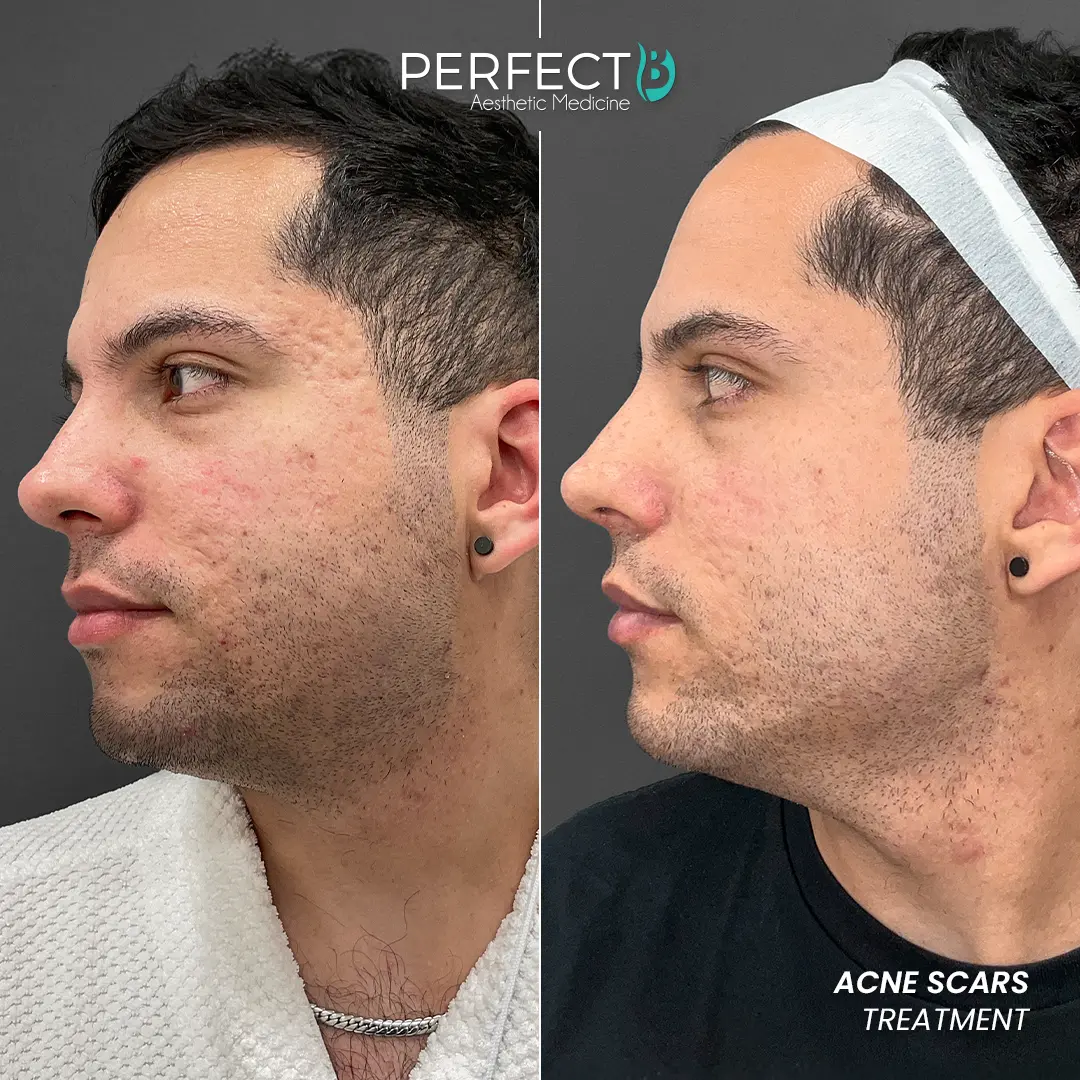
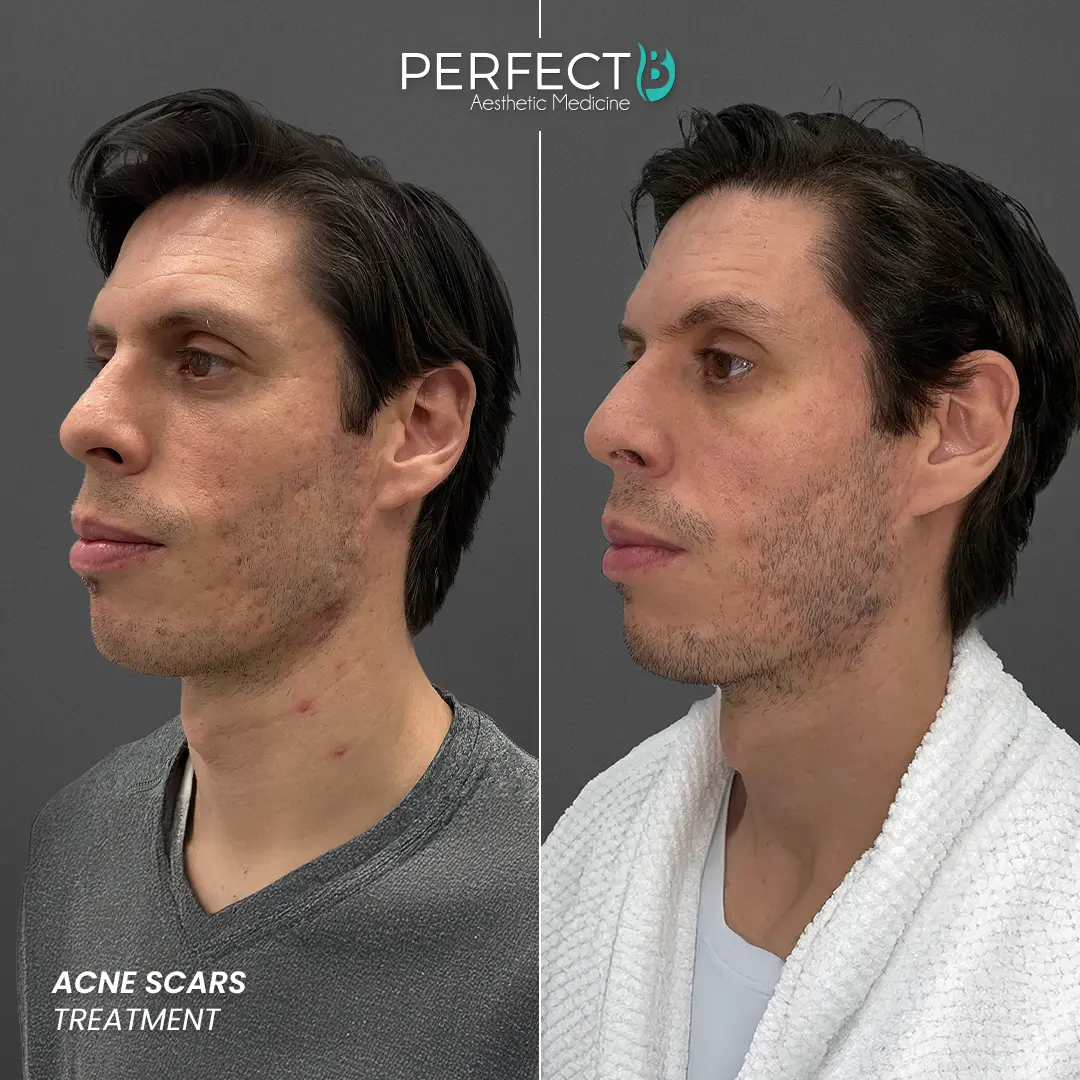
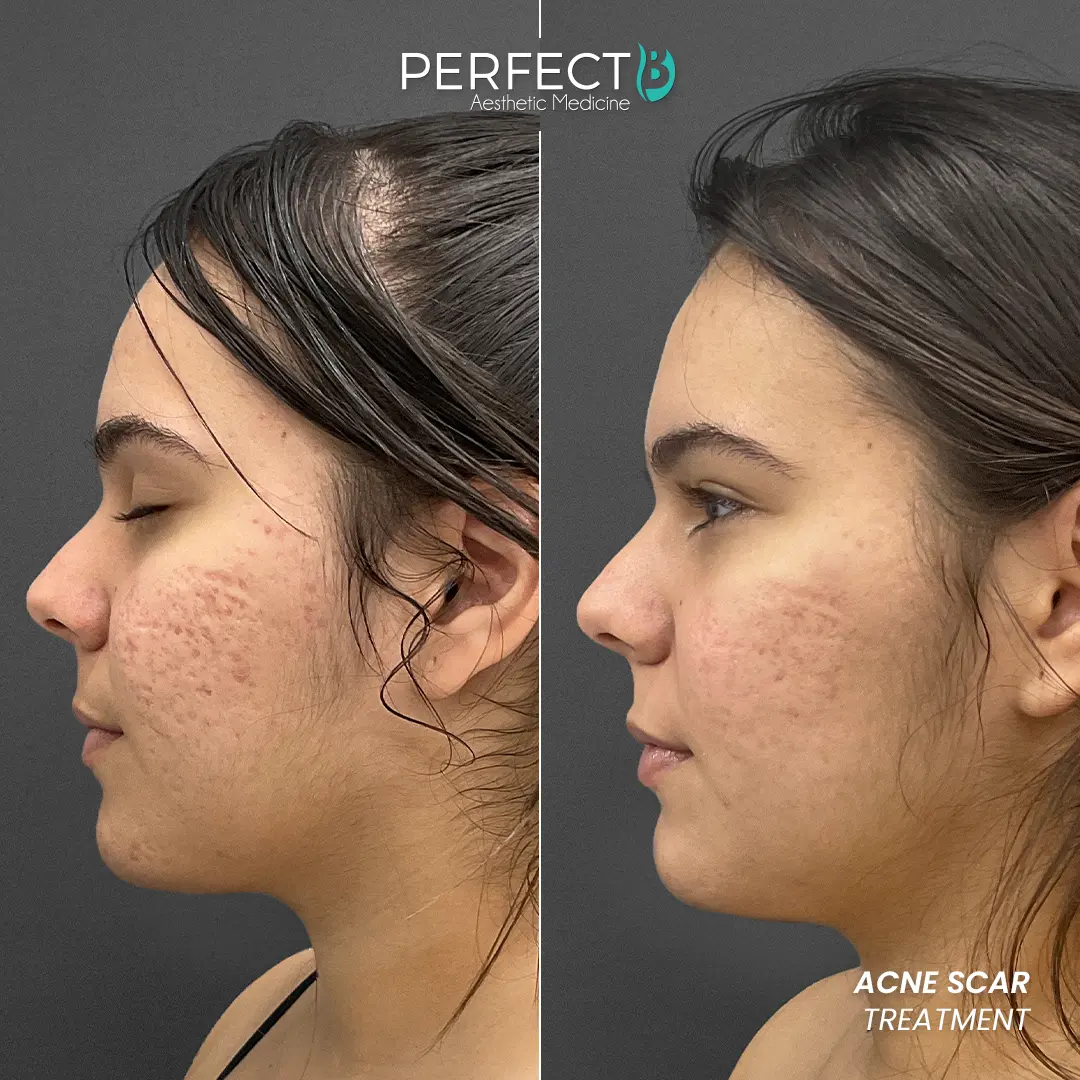
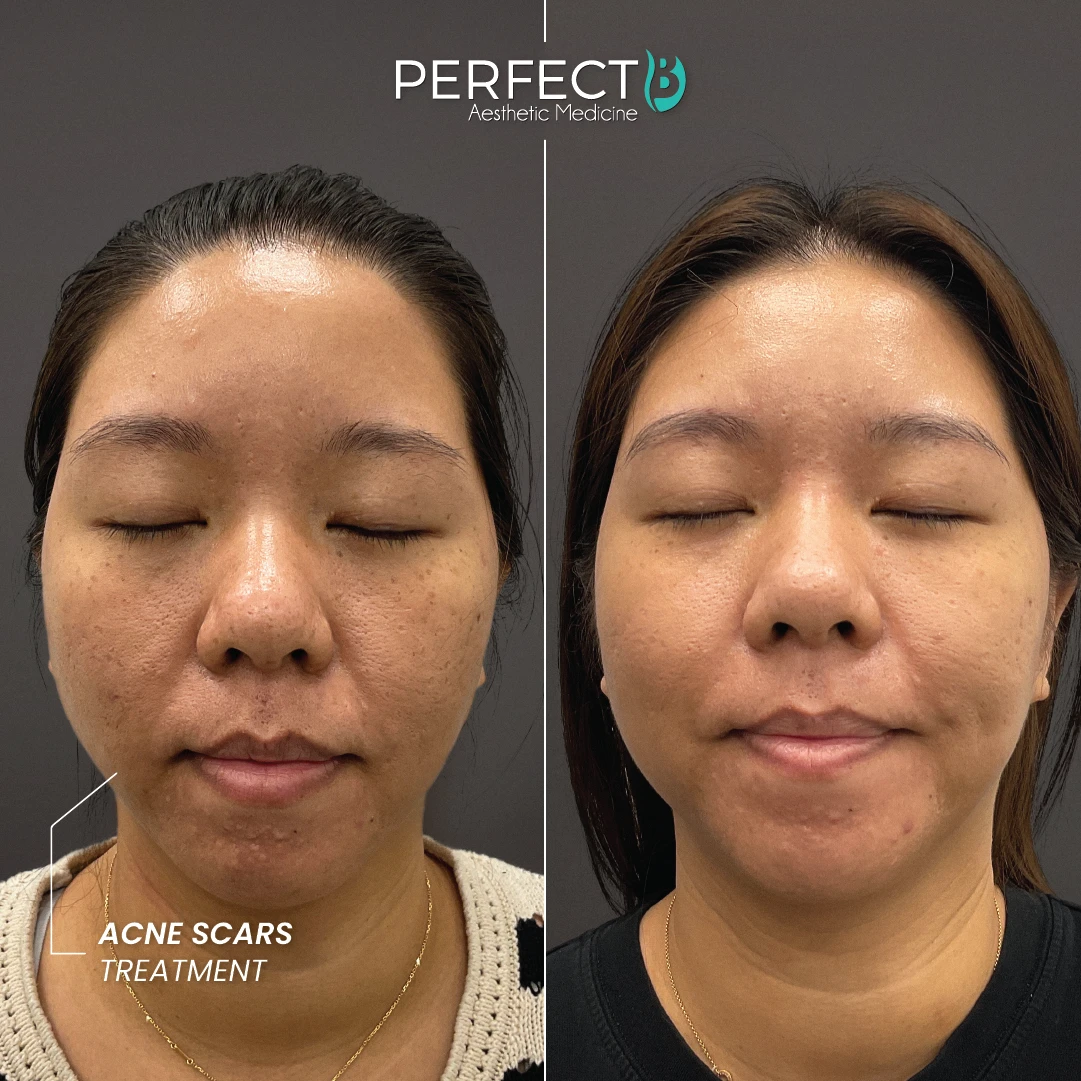
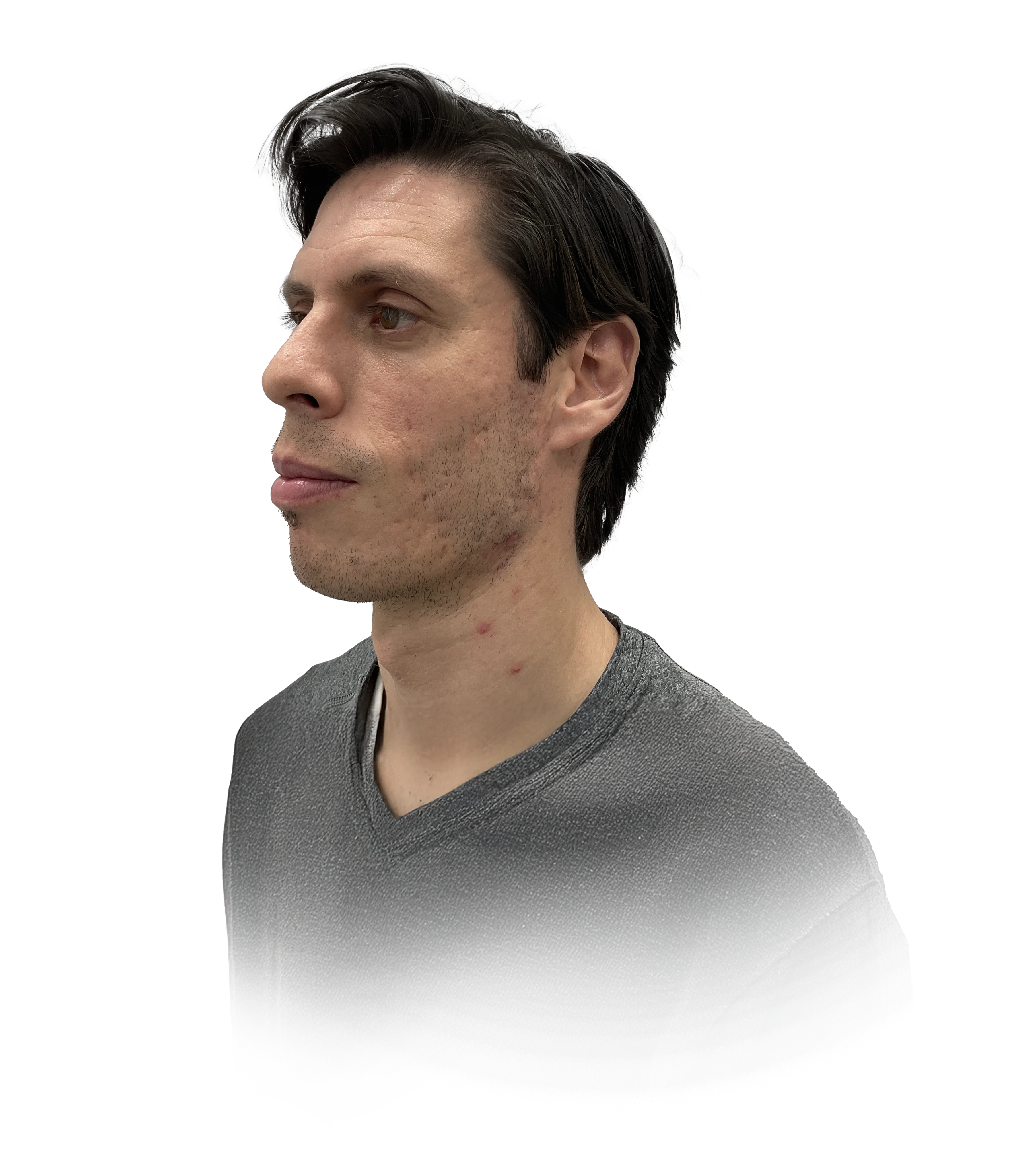
This page focuses on pimple scars treatment with clear answers to how do you get rid of pimple scars, the best treatment for pimple scars, options for pimple scar removal, and how to build an acne scars skin treatment plan that works in real life.
What are pimple scars, and why they persist
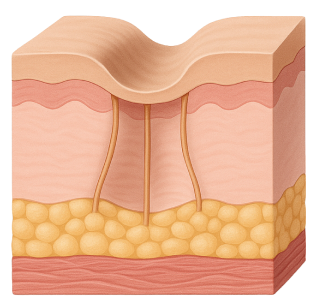
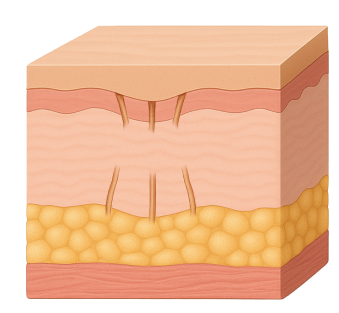
Acne scarring is not a stain on the surface; it's a change in the architecture beneath the skin. During inflammatory breakouts, the body repairs damage by laying down collagen. Too little collagen leaves depressions; too much forms raised tissue. That's why scarring from pimples can outlast the breakout itself and why a face scarred from acne often shows mixed patterns.
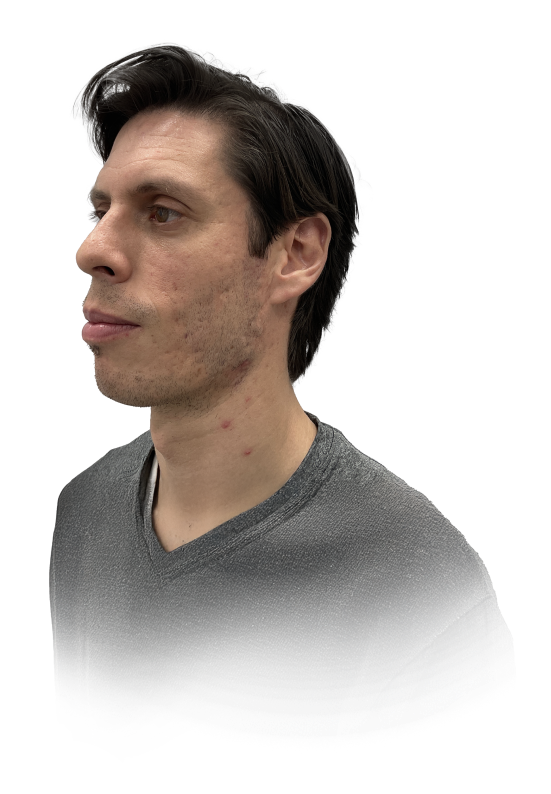
At a consultation we separate marks (temporary color change) from true scars. Pigment or redness can create the look of a pockmarked face without actual indentations. True depressions come from tethering bands and collagen loss. Understanding which problem you have guides everything that follows, and sets the roadmap for pimple scars treatment that is specific to your skin.
If you've wondered how do you get rid of pimple scars, the short answer is: match treatment to mechanism, then follow a staged plan.
Perfect B Approach
Acne scars are a structural problem, not a surface stain. Inflammation from past breakouts leaves tethering fibrous bands and collagen deficits that change skin topography. That's why we start by classifying scars — ice pick, boxcar, rolling, hypertrophic/keloid, and post-inflammatory marks — and confirming acne control before scar work begins.
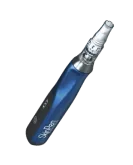
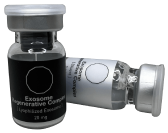
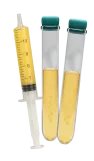
Our core method is mechanism-led and staged: first release tethers (subcision with needle or cannula chosen by scar map), then remodel with microneedling or RF microneedling, resurface with fractional lasers or controlled peels for texture, and re-color when needed with IPL or targeted topicals. When indicated, biostimulators, plasma therapy, exosomes, or select fillers support collagen rebuilding or focal volume.
Where large reference sites list options, we turn them into personalized protocols delivered by a licensed medical team using FDA-cleared/approved technologies — an approach informed by evidence and by experience (thousands of completed treatments and hundreds of public reviews).
Types of acne scars you can see at a glance
Most people have a combination:
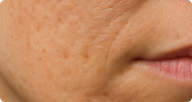
- Ice pick scars: Narrow, deep tracts that look like pin pricks.
- Boxcar scars: Wider, sharp-edged depressions that cast shadows.
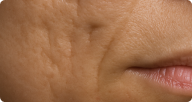
- Rolling scars: Shallow waves from fibrous tethers beneath the surface.
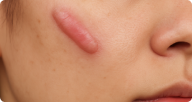
- Hypertrophic and keloid scars: Raised, firm tissue, more common on the chest, shoulders, and jawline.
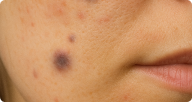
- Pigmented marks: Red or brown spots that remain after acne clears; they're not scars but can be managed alongside scarring.
Clear identification tells us whether we must release tethers, rebuild collagen, refine texture, or correct color — often all four in a staged plan.
First things first: control breakouts and strengthen the skin
It's hard to rebuild when the house is still on fire. Active acne needs management before meaningful scar work begins. Daily sunscreen helps prevent further darkening. Evidence-based topicals include retinoids and hydroxy acids that speed turnover and may soften edges over time. People often look for the best medicine for pimple scars or the best cream for pimple scars; these can improve texture slightly and help with pigment, but they cannot release tethers or fill deep deficits.
When you see lists proclaiming the best product for pimple scars or the best pimple scar cream, remember: creams treat skin health and color; true depressions need procedures. Think of products as the foundation for recovery, not the whole plan.
Our mechanism-led pathway: release → remodel → resurface → re-color
Once acne is controlled, we build a staged plan based on mechanism:
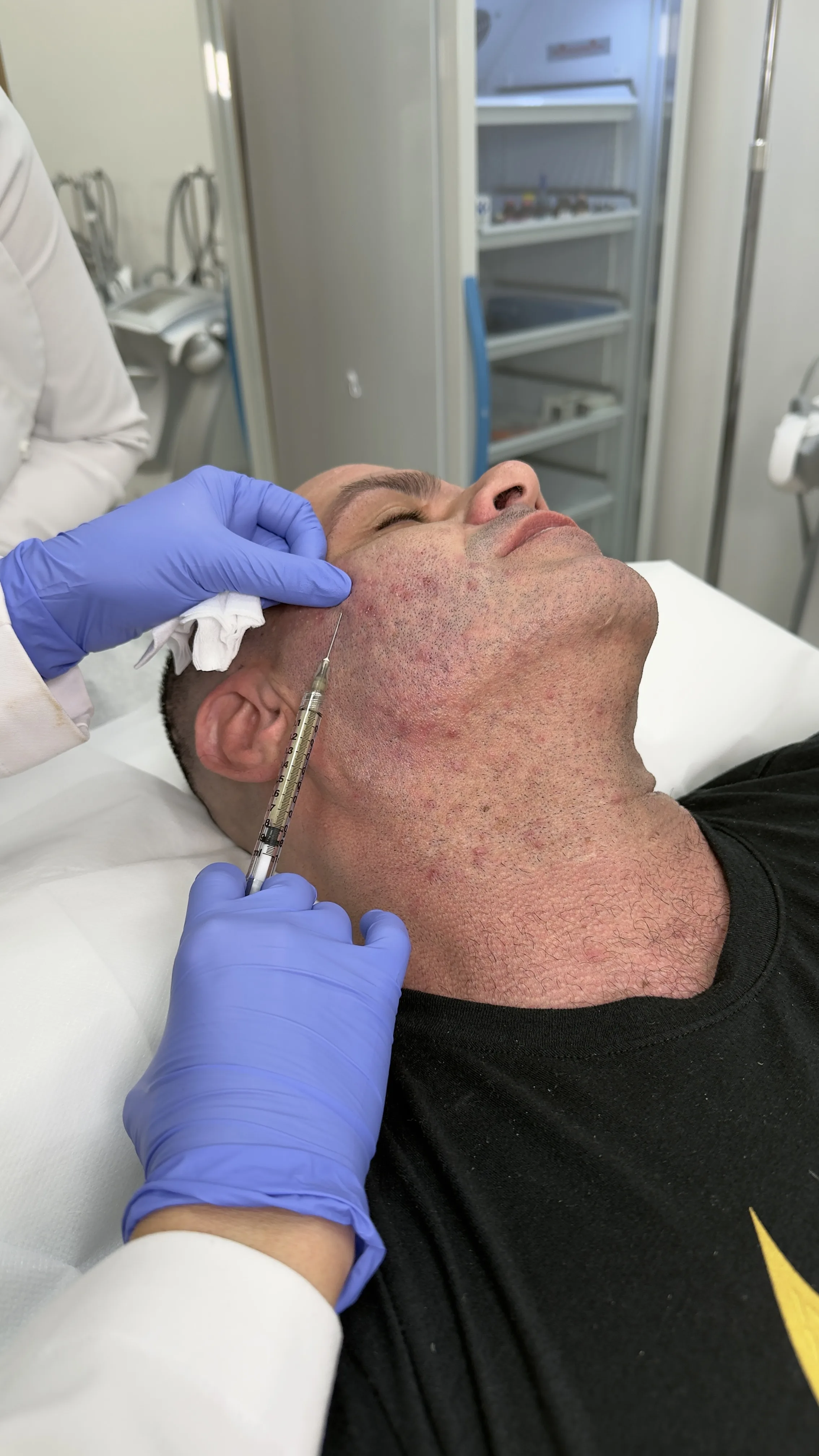
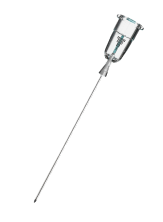
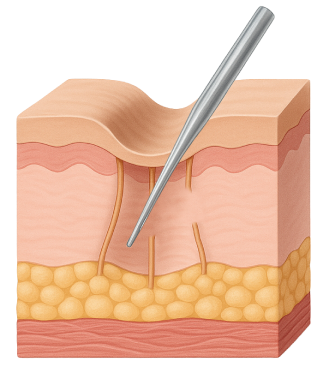
- Release (Subcision). Using a needle or flexible cannula, we pass beneath the scar to free the fibrous bands that tether rolling or boxcar depressions. Subcision is rarely used alone because freed tissue needs help to build structure.
- Remodel (Collagen induction). Microneedling or RF microneedling stimulates collagen where it's missing — key for long-term support.
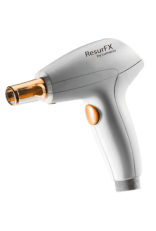
- Resurface. Fractional lasers or controlled chemical peels refine texture and edges.
- Re-color. IPL and targeted topicals reduce redness and treat brown marks that emphasize scars.
This combination approach summarizes the dermatological treatments for acne scars most supported by evidence and gives a realistic pathway for pimple scar removal when paired with home care. The result is an acne scars skin treatment plan that fits your scar pattern, skin tone, and downtime tolerance.
What gets rid of pimple scars? Matching treatment to scar type
- Rolling scars: Starts with subcision to release tethers, followed by RF microneedling to remodel depth.
- Boxcar scars: Fractional resurfacing plus targeted filler or biostimulator may soften sharp edges; often staged over several sessions.
- Ice pick scars: Focal chemical reconstruction (e.g., TCA CROSS) or punch techniques work better than broad resurfacing.
- Hypertrophic/keloid scars: Managed with intralesional therapies and silicone; treated separately from atrophic scars.
- Pigmented marks: IPL and topicals address color after inflammation settles.
Beyond the face: chest, shoulders, and back
Scars don't stop at the jawline. For the back and shoulders, pimple scar removal and pimple scars treatment follow similar principles with area-specific adjustments. The back and shoulders have thicker skin, a stronger tendency to form raised tissue, and different healing dynamics. Effective bacne scars treatment uses the same principles — release, remodel, resurface, and manage color — but parameters shift to respect area-specific biology and movement.
Safety for every skin tone and season
Safety is a function of skin biology, device choice, and timing. Darker Fitzpatrick types carry higher risk of post-inflammatory dyschromia. We mitigate risk with conservative energy settings, thoughtful device selection, and, when appropriate, pretreatment strategies. We also time sessions away from heavy sun exposure.
Patients often ask whether a facial for pimple scars will be enough. Facials can improve hydration and comfort, but they don't release fibrous bands or build missing collagen. For lasting change, choose in-office procedures guided by a medical team.
Products vs. procedures — how they work together
It's not products or procedures; it's products before, between, and after procedures. Retinoids and AHAs prep skin to respond and maintain results. Pigment correctors keep marks from overshadowing improvements. We'll help you select from top products for acne marks that suit your skin, then pair them with procedures for true scars. That's how a thoughtful home plan supports the clinic plan.
What improvement looks like over time
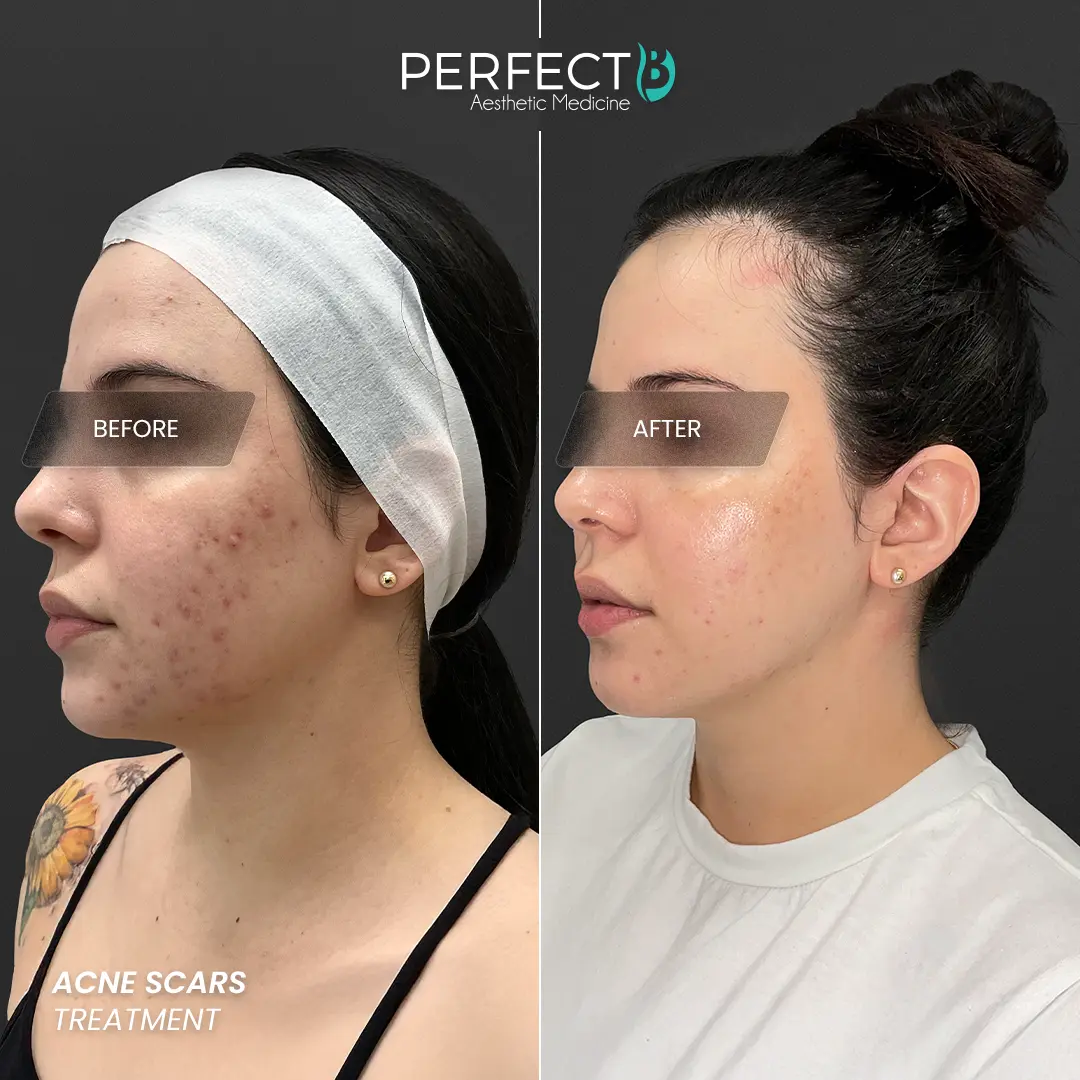
Collagen takes weeks to lay down and months to mature. Expect gradual changes: less shadowing, shallower edges, smoother touch. After subcision, you may feel early release; microneedling or RF then builds structure beneath. Resurfacing softens transitions and improves luminosity; IPL or selective topicals quiet color. The cadence and number of sessions depend on your starting map and healing response.
This is why we talk about an acne scars skin treatment plan rather than a one-off fix — structured pimple scars treatment outperforms single-session approaches.
Doral, FL — care that's close and clinically accountable
In Doral, FL you can access a structured pathway delivered by a licensed medical team. We document baselines, photograph progress, and adjust as your skin responds — so you see the logic behind each visit and the results that follow, from first mapping to pimple scar removal milestones within your acne scars skin treatment plan.